Before you list in Boston, focus your money on the projects buyers see first and the ones that prevent a deal from falling apart: fresh paint, curb appeal, working fixtures, and any known safety or legal issues. Skip the big-ticket gambles like a full kitchen gut or new appliances, which rarely return what you spend. Under the Massachusetts home inspection law that took effect on October 15, 2025, every buyer now has a guaranteed right to inspect, so smart pre-listing decisions matter more than they did a few years ago.
What should you fix before selling a home in Boston, and what should you skip?
Almost every seller in Jamaica Plain, Roslindale, Hyde Park, Dorchester, and Roxbury asks some version of the same question before listing: what do I actually need to fix? You are about to spend money getting your home ready, and the wrong projects can cost you twice: once on the renovation and again when they do not come back in your sale price. For the legal backdrop on what inspectors can and cannot surface, see Massachusetts home inspection law for sellers. For the detailed checklist of what sellers should do before listing, see pre-listing inspections in Boston.
Start With the Truth About What You Are Required to Fix
In Massachusetts, the list of repairs you are legally required to make before selling is short. The state follows a caveat emptor (buyer beware) standard, which means there is no mandatory seller-repair list. What you cannot do is hide or misrepresent a known material defect. If a buyer asks you directly about a leak, a structural issue, or pest damage, you have to answer honestly. That obligation applies even to an as-is sale.
Two specific items carry real legal weight in our neighborhoods. First, lead paint: most homes built before 1978 require the Massachusetts lead paint disclosure and give the buyer the chance to inspect. Second, smoke and carbon monoxide detectors: you will need a Certificate of Compliance from your local fire department before closing, so detectors have to meet current placement and type requirements.
What Is Worth Fixing: The First Thirty Seconds and the Deal-Killers
When a buyer walks into your home, their impression forms in the first thirty seconds. The projects that pay off are the ones that shape that impression and keep your deal from unraveling later.
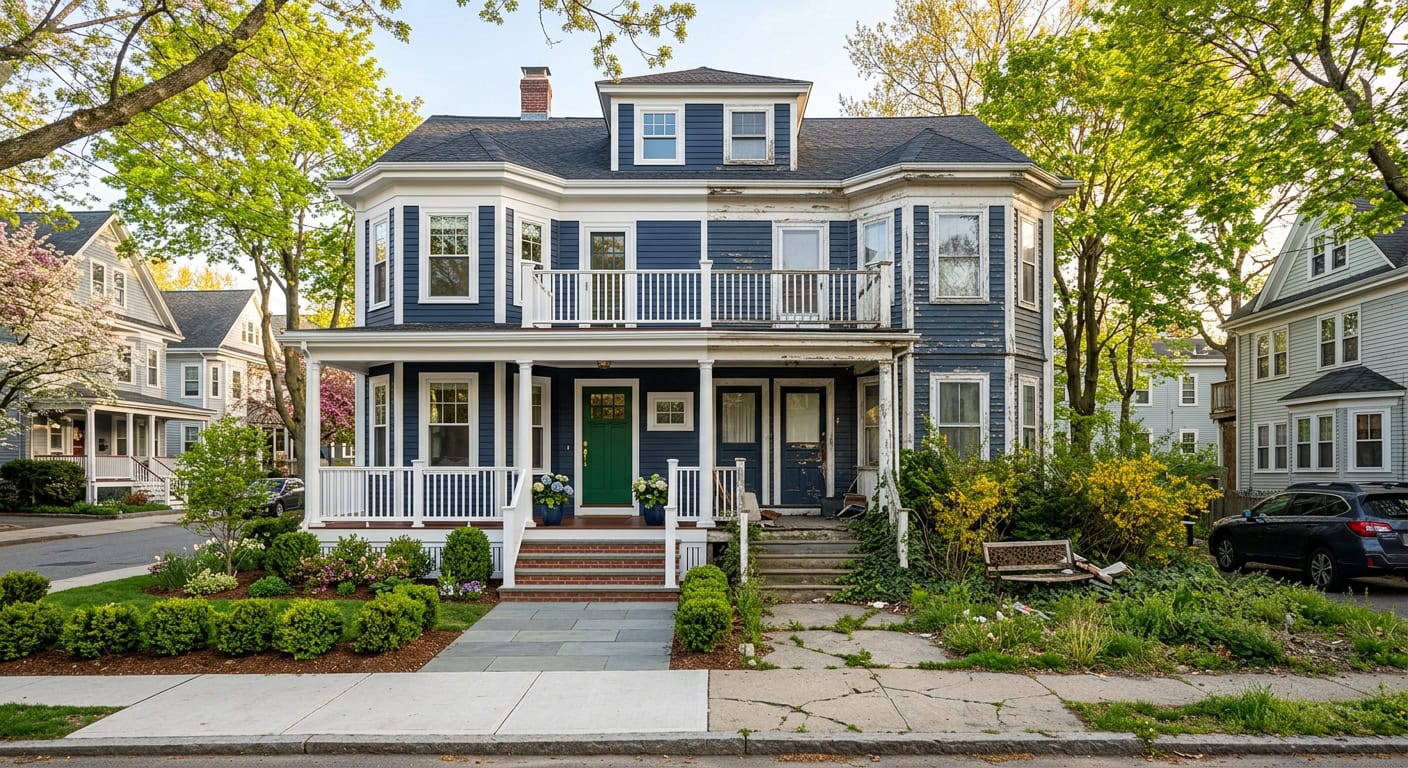
Fresh, neutral paint. Nothing returns more per dollar. A clean, current paint job makes a home feel cared for and move-in ready. Curb appeal. Power washing, a painted front door, tidy landscaping, and clean walkways routinely recoup a large share of their cost, sometimes more. Small, visible repairs. Patch wall holes, fix leaky faucets, replace burned-out bulbs and cracked outlet covers, tighten loose handles and railings, and make sure every door closes properly. Deep cleaning and decluttering. The cheapest value you can add. Known safety or system issues. If you already know the furnace is failing or there is an active leak, addressing it on your terms is almost always cheaper than giving a buyer leverage in negotiations.
What to Skip: The Projects That Rarely Pay You Back
A full kitchen or bathroom gut. A complete kitchen renovation in Greater Boston typically costs $25,000 to $65,000, and a buyer may tear out your brand-new finishes to suit their own taste. A modest refresh, new hardware, paint, and lighting, captures most of the appeal at a fraction of the cost. New appliances. Buyers often prefer to pick their own. Cosmetic cracks in driveways, walkways, or basement floors that don’t signal a structural problem. One isolated luxury upgrade in a single room, which only highlights how dated everything around it looks. Major systems with life left in them. A roof or furnace that still has years of service does not need replacing just to list.
The New Inspection Law Changes the Math
As of October 15, 2025, a seller or their agent cannot condition acceptance of an offer on a buyer agreeing to waive or limit a home inspection. The law does not require you to make any repairs or reduce your price based on inspection findings, and you can still sell as-is. What changed is that nearly every buyer will now have eyes on your home’s condition, so the surprises you might have skated past before are more likely to surface. That makes a few smart pre-listing fixes more valuable than ever.
Should You Get a Pre-Listing Inspection?
A pre-listing inspection runs roughly $400 to $700 for a typical home. It lets you find issues on your own timeline, decide what to address, and walk into negotiations without surprises. It does not obligate you to fix anything that is not an actual legal violation. For an older home where you are not sure what is lurking, it can prevent a five-figure renegotiation after an offer is in hand.
What About Staging?
Staging is the one extra that consistently earns its keep. A 2026 study ranked Boston eighth in the country for staging return, with a typical payoff near $38,000, and the National Association of Realtors pegs staging investment at roughly 1 to 3% of the asking price for an 8 to 10% return. You do not have to stage every room. Often, the living room, primary bedroom, and kitchen are enough to set the tone.
Frequently Asked Questions
Do I have to make repairs before selling a house in Massachusetts?
No. Massachusetts has no mandatory seller repair list. You must disclose known material defects honestly and meet specific obligations, such as lead paint disclosure for pre-1978 homes and a smoke and CO detector certificate at closing, but cosmetic and most other repairs are your choice.
Can I still sell my Boston home as-is after the new inspection law?
Yes. The law that took effect on October 15, 2025, guarantees the buyer the right to inspect, but it does not require you to make repairs or lower your price based on the inspection’s findings. You can still sell as-is, though you should expect nearly every buyer to inspect.
Is it worth renovating the kitchen before selling?
Usually not a full renovation. A complete kitchen remodel in Greater Boston often costs $25,000 to $65,000 and rarely returns that at sale, especially since buyers may redo it. A minor refresh with paint, hardware, and lighting captures most of the appeal for far less.
What adds the most value before selling a home in Boston?
Curb appeal and fresh paint typically deliver the strongest return, often recouping all or more of their cost. Deep cleaning, decluttering, and small visible repairs come next. These shape a buyer’s first impression without the risk of an expensive upgrade you cannot recover.
How much does a pre-listing inspection cost in Boston?
A pre-listing inspection generally costs $400 to $700 for a standard home, with specialty checks like radon testing adding to the total. It is optional, but it can save you far more by surfacing issues before they become a buyer’s negotiating leverage.
Have questions? Let’s connect.
About Juan Murray
Juan Murray is a Boston broker associate with more than 30 years of experience helping buyers, sellers, and investors across Greater Boston, personally leading every transaction from the first conversation through closing.
RE/MAX Real Estate Center · (617) 721-0961
Equal Housing Opportunity. Juan Murray is licensed as a Broker in Massachusetts, regulated by the Massachusetts Board of Registration of Real Estate Brokers and Salespersons. This article is general information only and does not constitute legal, tax, or financial advice. Confirm your specific costs and obligations with your closing agent, tax advisor, or lender.