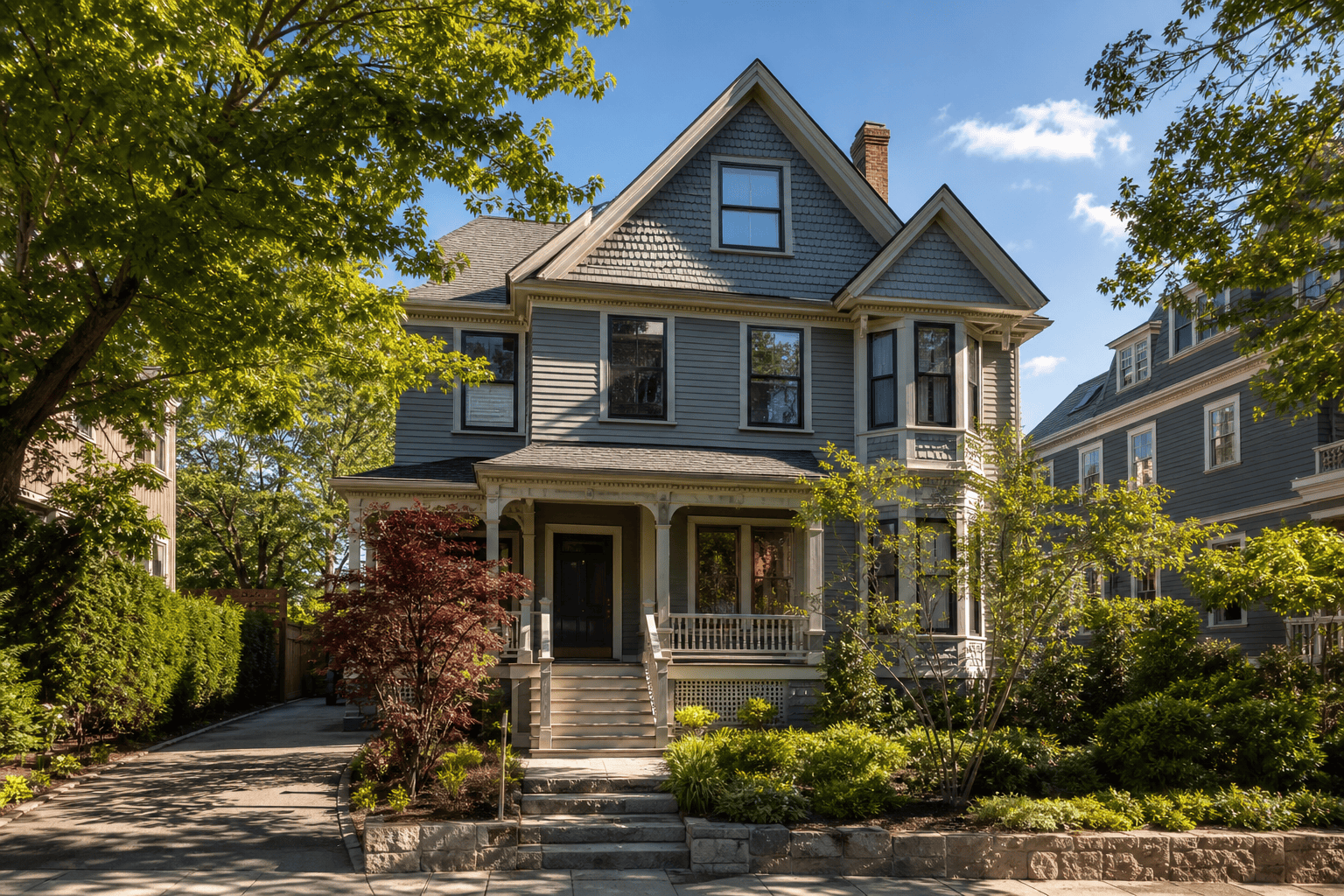
Cambridge’s biotech expansion has pushed residential prices to a median of $1,200,000, but lab-space overbuilding in 2026 adds nuance sellers must understand. The Boston-Cambridge overall vacancy rate hit 26.4% in Q2 2026, per Savills, which means the buyer pool of relocating biotech professionals is somewhat thinner than at the peak. Pricing strategy, timing, and local expertise matter more than ever when life sciences demand shifts.
How Cambridge’s Biotech Expansion Is Affecting Home Sellers in 2026
Cambridge’s life sciences boom has driven residential prices to some of the highest levels in Greater Boston, with recent Zillow market data showing a median sale price of $1,200,000 and a median of 46 days on market as of August 2026. But the lab-space overbuilding that made headlines in 2025 is still working through the system, and sellers who understand the full picture will price and position their homes far more effectively than those chasing last cycle’s narrative. If you’re selling a condo, the 6(d) certificate process is a step many sellers underestimate — see 6(d) condo certificate requirements for Boston sellers. And for the Massachusetts capital gains implications when you sell, see capital gains tax when selling a Massachusetts home.
What the Lab Market Actually Means for Cambridge Home Sellers
According to CBRE’s Q2 2026 Boston Metro Life Science Figures, the Boston Metro life science availability rate hit 32.8%, with vacancy at 28.7%. Cambridge drove the bulk of the market’s improvement, recording nearly 194,000 square feet of positive absorption in the quarter. That is a meaningful uptick, but it is happening against a backdrop of significant oversupply. Savills, as reported by Boston Real Estate Times, put the Boston-Cambridge overall vacancy rate at 26.4% in Q2 2026, up 610 basis points year over year, largely because about 2.5 million square feet of new laboratory space entered the market over that period.
Why does commercial vacancy matter to a residential seller? Because the buyer pool for homes near Kendall Square, East Cambridge, and Cambridgeport is heavily weighted toward life sciences professionals: researchers, executives, and biotech entrepreneurs who relocate when their company expands and who leave when it contracts or goes remote. When lab absorption improves, that buyer pool deepens. When it stalls, buyers have more options and more patience.
Here is how Cambridge stacks up against other Greater Boston neighborhoods, using recent Zillow market data (trailing 90 days, as of August 2026).
| Area | Median Sale Price | Median Days on Market |
|---|---|---|
| Roxbury | $712,000 | 55 |
| Hyde Park | $644,138 | 53 |
| Somerville | $930,000 | 55 |
| Roslindale | $720,000 | 45 |
| Cambridge | $1,200,000 | 46 |
| Jamaica Plain | $810,000 | 53 |
| Dorchester | $645,000 | 48 |
| Mattapan | $550,000 | 55 |
Cambridge’s median is nearly $270,000 above the next closest market. That premium is real and partly biotech-driven. But it also means buyers at this price point are sophisticated, well-financed, and not easily rushed. Pricing it right from the start is not optional.
What Cambridge Sellers Should Do Differently in This Market
Price to the Current Buyer, Not Last Year’s Headline
The $1.2 million median is an area-level figure. Your home’s value depends on its condition, street, build year, proximity to transit, and how it compares to active competition. In a market where buyers are often biotech professionals who have seen multiple offers fall apart, an overpriced home does not just sit — it gets stigmatized. Your first two weeks of market exposure are your most valuable asset.
Understand Your Buyer Pool and Market Accordingly
Homes near Kendall Square, Inman Square, and East Cambridge attract a specific kind of buyer: highly educated, often relocating from out of state or internationally, and focused on commute time to major research campuses. That buyer evaluates a home differently than a move-up buyer in Hyde Park. Professional photography, floor plans, and a clean digital presence are baseline expectations, not upgrades. If your home has a home office, a flexible layout, or proximity to the Red Line, those details belong front and center in your listing.
Know Your Massachusetts Closing Process Before You Accept an Offer
Massachusetts residential closings work differently than in most other states. Only a Massachusetts-admitted attorney may direct or manage a closing, draft the deed, ensure marketable title, or manage disbursement of funds. You will not be working with a title company the way buyers and sellers do in many other states. You will need a real estate attorney, and so will your buyer. After an accepted offer, the transaction moves through an Offer to Purchase and then a Massachusetts Purchase and Sale Agreement, which is where the binding terms are set.
Pre-1978 Homes Require a Lead Paint Disclosure
A significant portion of Cambridge’s housing stock predates 1978. If your home was built before that year, federal law requires you to disclose any known lead paint hazards and provide buyers with the EPA’s lead paint disclosure pamphlet before signing a purchase agreement. Massachusetts also has its own lead paint law with additional obligations. Your attorney will walk you through the specifics for your property, but know this is a required step, not a negotiable one.
Frequently Asked Questions
How is Cambridge’s biotech expansion affecting single-family home values near Kendall Square?
The life sciences cluster around Kendall Square has been a sustained driver of residential demand, contributing to Cambridge’s area-level median sale price of $1,200,000 as of recent Zillow market data. However, commercial lab vacancy reached 26.4% in Q2 2026 according to Savills, which means the buyer pool of relocating biotech professionals is somewhat thinner than at the peak. Individual home values still depend heavily on condition, proximity to transit, and how a property compares to active competition.
Is Cambridge still a seller’s market in 2026, or has lab overbuilding cooled demand?
Cambridge remains a competitive residential market. A May 2026 MLS snapshot showed a median days on market of just 20 days, and trailing 90-day Zillow data shows 268 homes sold with a $1,200,000 median. Lab overbuilding has added nuance, particularly for homes whose value is most directly tied to biotech employment, but it has not reversed the market. Sellers who price accurately are still seeing strong results.
Do Cambridge condo sellers need a 6(d) certificate before closing?
Yes. A 6(d) certificate confirms that a seller’s condo fees are current and the association has no pending assessments or claims against the unit. Buyers’ attorneys in Massachusetts require it before closing, and it must be requested from the condo association, which can take time. If you are selling a Cambridge condo, start that process well before you expect to close.
What disclosures are required when selling a pre-1978 home in Massachusetts?
Federal law requires sellers of pre-1978 homes to disclose known lead paint hazards and provide the EPA’s lead paint disclosure pamphlet before a purchase agreement is signed. Massachusetts also has its own lead paint statutes with additional seller obligations. Given how much of Cambridge’s housing stock was built before 1978, this is a step most sellers here will need to take. Your real estate attorney will confirm the specific requirements for your property.
How long are homes staying on the market in Cambridge right now?
Recent Zillow market data (trailing 90 days, as of August 2026) shows a median of 46 days on market in Cambridge. A May 2026 MLS-based snapshot showed an even faster pace of 20 median days. Both figures reflect an active market, though individual results vary by price point, condition, and how well a home is positioned when it lists. Overpriced homes in any market take longer to sell and often net less than a well-priced home that generates early competition.
Have questions? Let’s connect.
About Juan Murray
Juan Murray is a Boston broker associate with more than 30 years of experience helping buyers, sellers, and investors across Greater Boston, personally leading every transaction from the first conversation through closing.
RE/MAX Real Estate Center · (617) 721-0961
Equal Housing Opportunity. Juan Murray is licensed as a Broker in Massachusetts, regulated by the Massachusetts Board of Registration of Real Estate Brokers and Salespersons. This article is general information only and does not constitute legal, tax, or financial advice. Confirm your specific costs and obligations with your closing agent, tax advisor, or lender.