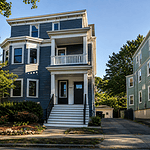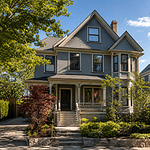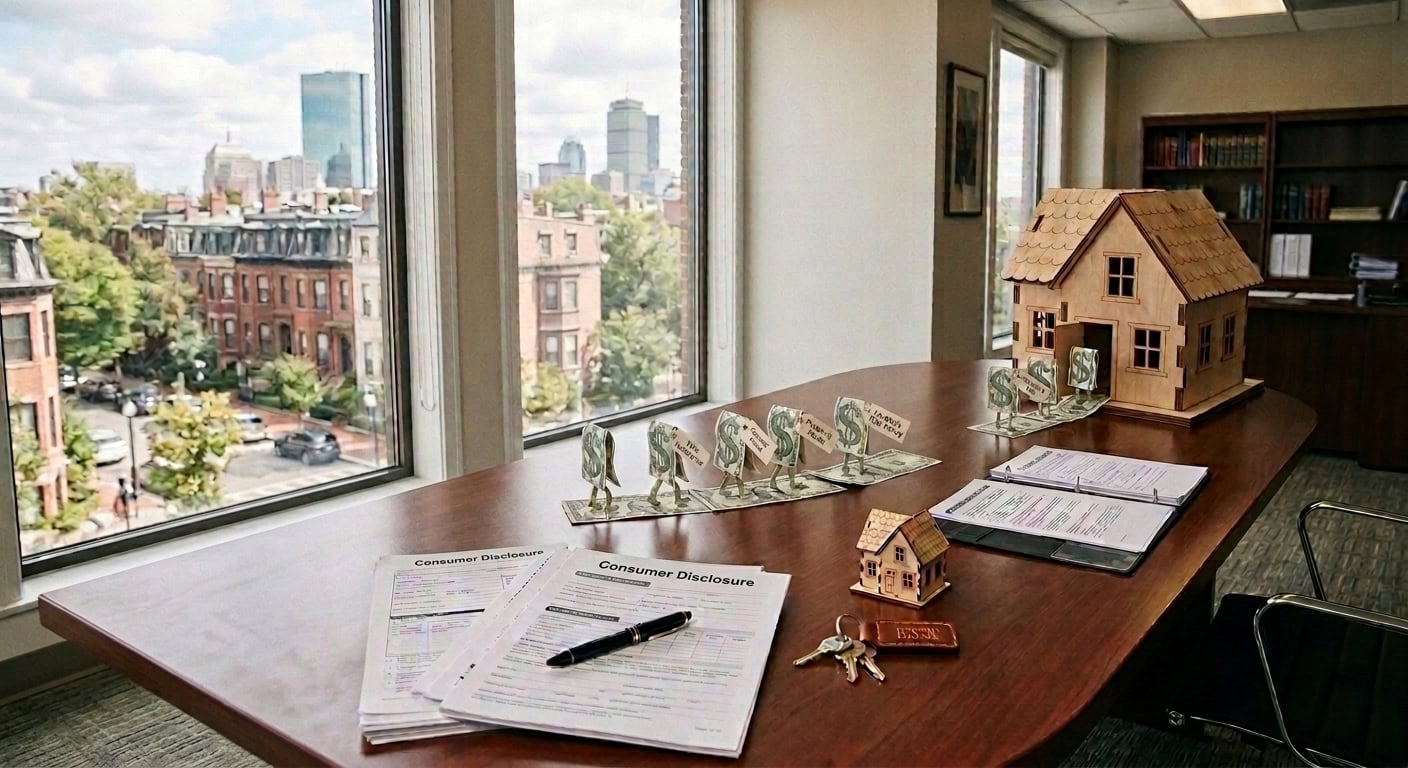
Closing costs in Massachusetts for a home purchase typically run 2% to 5% of the purchase price, separate from your down payment. On a $750,000 condo or triple-decker conversion in Jamaica Plain, that means budgeting an additional $15,000 to $37,500 for lender fees, title insurance, a required attorney, and property tax prepayments. Massachusetts is an attorney-closing state, so a licensed real estate attorney is mandatory, not optional, and that fee shapes your total closing bill whether you’re buying in Dorchester, Roslindale, or Hyde Park.
What Are Closing Costs in Massachusetts and Why Do They Run Higher Than Average?
If you’ve been saving toward a down payment for a home in Boston, you’ve probably built a number in your head. What catches most first-time buyers off guard is the second number: closing costs, due in full at the closing table, completely separate from that down payment. Massachusetts closing costs run higher than the national norm largely because of one structural difference: the state requires a licensed attorney, not a title company, to run the closing. That attorney requirement adds a distinct professional fee most buyers relocating from other states have never budgeted for. Before your first showing, also understand what you sign before seeing homes in Massachusetts. And for a full picture of all the protections you have as a buyer, see Massachusetts home inspection law — as of October 2025, inspection waivers are banned.
Lender and Loan Origination Fees
Lender fees cover the administrative cost of underwriting and originating your mortgage, and they typically run 0.5% to 1% of your loan amount in the Boston market. On a $600,000 loan, that’s roughly $3,000 to $6,000 before adding processing, underwriting, and credit report charges. Ask your lender for a Loan Estimate early in your search and compare at least two lenders, since origination fees and rate lock costs vary more than most buyers assume. An appraisal is a separate cost your lender orders to confirm the home is worth what you’re paying, typically $500 to $1,200 in Greater Boston, with condos and multi-family properties trending toward the higher end. Unlike most closing costs, the appraisal fee is usually collected when it’s ordered, not at the closing table.
The Massachusetts Attorney Requirement
Massachusetts law requires a licensed attorney to conduct every residential closing, examine title going back roughly 50 years, prepare the deed, and disburse funds. This is not optional and cannot be waived by either party. For a typical buyer’s attorney in Greater Boston, budget $900 to $1,500 as a flat fee. That fee covers the title examination, review of your purchase and sale agreement, attendance at closing, and coordination with your lender’s counsel.
Title Insurance
Massachusetts lenders require a lender’s title insurance policy on every mortgage, while an owner’s policy remains optional but strongly advisable. Combined, both policies typically cost 0.5% to 1% of the purchase price. On a $750,000 purchase in Jamaica Plain or Roslindale, budget roughly $3,750 to $7,500 for both. Skipping the owner’s policy saves a few thousand dollars upfront but leaves you exposed if a title dispute or old recorded lien surfaces down the road.
Home Inspection
A home inspection is a professional evaluation of a property’s structural, electrical, and mechanical systems, paid before closing rather than at the closing table. In the Boston area, budget $400 to $700 for a licensed inspector, with multi-family properties often running toward the higher end. As of October 15, 2025, Massachusetts law prohibits sellers from conditioning offer acceptance on a buyer waiving their inspection rights, which means buyers can now write a competitive offer and still protect themselves with an inspection contingency.
Property Tax Prorations and Escrow Requirements
Property tax proration splits the current tax bill between buyer and seller based on how many days each party owns the property during Boston’s fiscal year, which runs July 1 through June 30. Boston’s effective property tax rate runs approximately 1.16% of assessed value. Your lender will also require 2 to 6 months of property taxes collected upfront to fund your escrow account. Your homeowner’s insurance follows a similar pattern: lenders typically require 12 months prepaid at closing plus 2 additional months held in escrow.
Closing Cost Ranges by Boston Neighborhood Price Point
| Purchase Price | Typical Neighborhood | Closing Cost Range (2% to 5%) |
|---|---|---|
| $650,000 | Hyde Park, Dorchester | $13,000 to $32,500 |
| $750,000 | Roslindale, Dorchester | $15,000 to $37,500 |
| $850,000 | Jamaica Plain, Roslindale | $17,000 to $42,500 |
| $1,000,000 | Jamaica Plain | $20,000 to $50,000 |
Condo purchases tend to land toward the lower end of the range because title exams are typically simpler than on multi-family properties. Two-family and three-family purchases often land higher, both because title work takes longer and because insurance premiums on older multi-unit buildings run above condo averages. Recording fees add a smaller but consistent line item: the Suffolk County Registry of Deeds charges $305 to $405 to record your deed and mortgage documents.
What Boston Buyers Do Not Pay at Closing
Buyers in Massachusetts do not pay the deed excise tax (tax stamps), since that cost falls on the seller at approximately $4.56 per $1,000 of sale price. On a $750,000 home, that translates to roughly $3,420 the seller covers, not you. Since August 2024, sellers are also no longer required to offer buyer agent compensation through the MLS, which means your buyer’s agent will ask you to sign a written buyer agency agreement specifying how their compensation is structured. Read that agreement closely before you start touring homes.
How to Avoid Closing Cost Surprises
- Get a Loan Estimate from at least two lenders before you start touring homes seriously, so you can compare origination fees and rate lock terms side by side.
- Ask your buyer’s agent for the property’s tax history from the Boston Assessing Department, since assessed value directly drives your escrow requirement.
- Get a homeowner’s insurance quote early, particularly on triple-decker or two-family properties, since older electrical systems can raise premiums significantly.
- Budget for both title insurance policies, lender’s and owner’s, rather than assuming the lender’s policy alone covers you.
- Confirm your closing date relative to Boston’s fiscal tax year, since a June closing prorates differently than a December closing.
- Review your buyer agency agreement in full before signing, since compensation structures now vary more than they did before the 2024 MLS commission changes.
Build your budget around the midpoint, roughly 3.5% of purchase price, rather than the low end of the range. That gives you a more realistic cushion for title complexity, escrow requirements, or a longer attorney process.
Frequently Asked Questions
What is a fair price for a home inspection in Boston?
A typical home inspection in the Boston area runs $400 to $700 for a licensed inspector, with multi-family properties trending toward the higher end due to the added units and systems that need evaluation.
How does the Massachusetts ban on inspection waivers affect my offer strategy?
As of October 15, 2025, sellers cannot condition offer acceptance on a buyer waiving their inspection. This means buyers can submit competitive offers while still protecting themselves with an inspection contingency, a meaningful shift from the pressure many buyers felt in prior competitive cycles.
Do closing costs in Massachusetts differ between condos and multi-family homes?
Yes. Condo purchases tend to land toward the lower end of the 2% to 5% range because title exams are usually more straightforward. Multi-family purchases often run higher due to more complex title histories and typically higher insurance premiums.
What actually happens at a Massachusetts attorney-run closing?
A Massachusetts closing involves your attorney completing a title examination, preparing the deed, reviewing your loan documents, and disbursing funds at a scheduled closing appointment. This process typically takes 30 to 60 minutes once all parties and documents are in place.
What is the difference between assessed value and market value in Boston?
Your property’s assessed value is set by the Boston Assessing Department for tax purposes and is often a fraction of actual market value. Your lender will order an independent appraisal to confirm market value. Never use your tax assessment as a basis for what a home is worth in today’s market.
Have questions? Let’s connect.
About Juan Murray
Juan Murray is a Boston broker associate with more than 30 years of experience helping buyers, sellers, and investors across Greater Boston, personally leading every transaction from the first conversation through closing.
RE/MAX Real Estate Center · (617) 721-0961
Equal Housing Opportunity. Juan Murray is licensed as a Broker in Massachusetts, regulated by the Massachusetts Board of Registration of Real Estate Brokers and Salespersons. This article is general information only and does not constitute legal, tax, or financial advice. Confirm your specific costs and obligations with your closing agent, tax advisor, or lender.