Real Estate, Simplified ….

Boston-area real estate, simplified

Real Estate, Simplified ….

Boston-area real estate, simplified

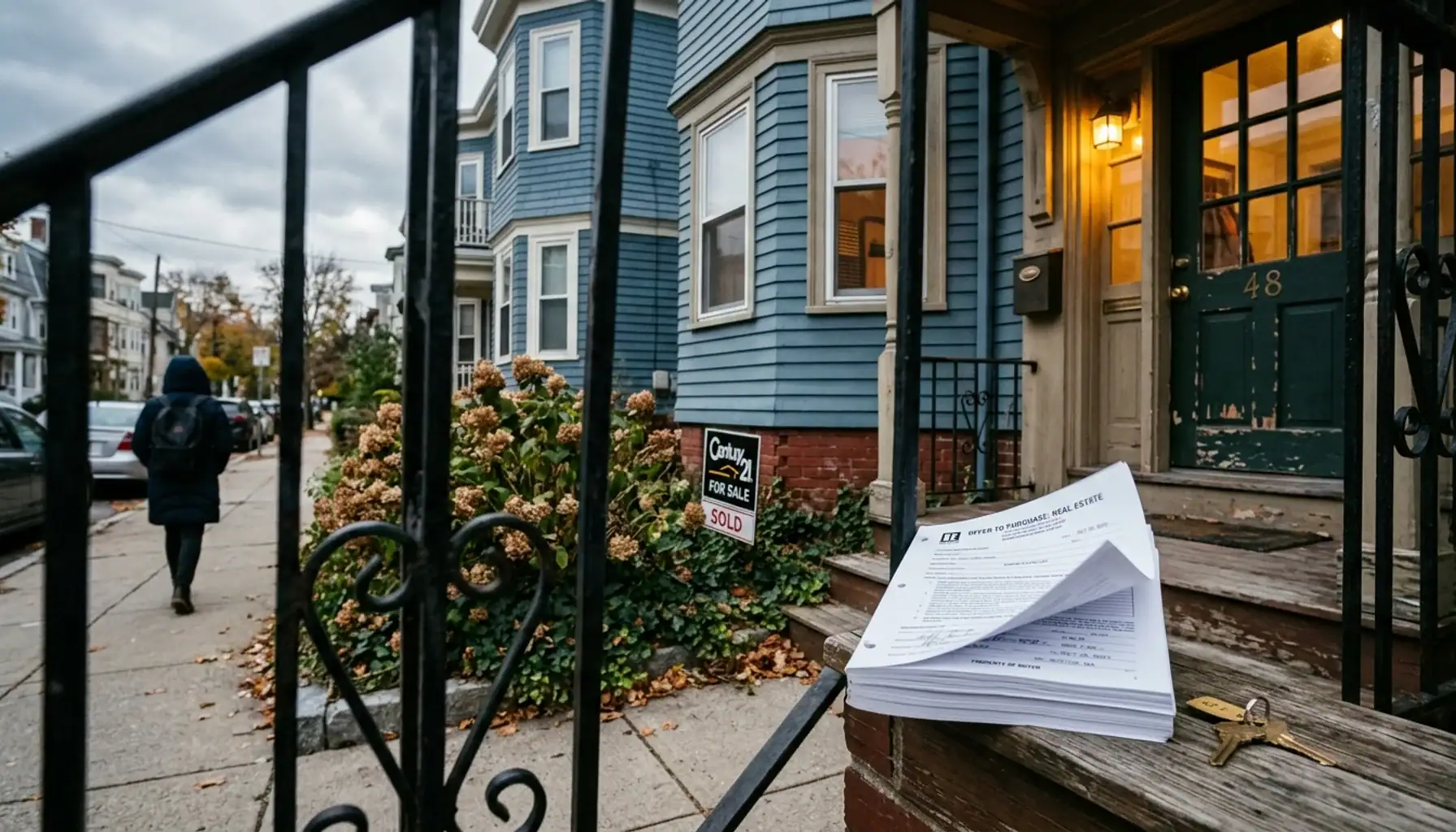
Contract papers and house keys on a Boston stoop illustrate whether you need a real estate agent

Do You Need a Real Estate Agent? The Honest Answer

Do you need a real estate agent to buy or sell a home in Massachusetts? Legally, no. But the data on For Sale By Owner (FSBO) outcomes tells a different story than the legal one, and in Boston’s triple-decker and multi-family market, going without representation carries risks most sellers don’t see until they’re already in a purchase and sale agreement.

Key Takeaways

  • Massachusetts law does not require a real estate agent for buying or selling a home; nothing in state statute mandates representation.

  • National Association of REALTORS data cited by industry sources shows agent-assisted homes sold at a median of $425,000 versus $360,000 for FSBO sales.

  • First-time buyers made up 31% of the Greater Boston market in 2026, and this group faces the steepest learning curve without representation.

  • Massachusetts’ 760 CMR 74.00 rule, effective October 2025, bans sellers from conditioning an accepted offer on a waived inspection, a change that raises the stakes for buyers navigating contracts alone.

  • Buyers waiving inspections in Greater Boston fell to 12% in 2026, down from 18% the year before, a sign that even competitive buyers are leaning on more due diligence, not less.

  • Whether you need an agent depends on the property type, your timeline, and how comfortable you are managing legal risk on a six-figure transaction.

I get some version of this question almost every week, usually from a buyer eyeing a triple-decker in Dorchester or a seller who thinks they can save a few thousand dollars by listing on their own in Roslindale. The honest answer isn’t “always” or “never.” It depends on what you’re buying or selling, how much time you have, and how much risk you’re willing to absorb if something goes wrong at the purchase and sale stage.

This isn’t a sales pitch dressed up as an article. I’ll walk through the real cost math, the actual success rates for FSBO transactions, and the specific scenarios in Jamaica Plain, Roxbury, Hyde Park, and Dorchester where skipping an agent is a mistake and where it genuinely isn’t. As of 2026, Boston’s housing stock, especially two- and three-family properties with active leases, makes this decision more complicated than a single-family sale in most other markets.

At Juan Real Estate Group, I’ve sat across the table from buyers who tried to go it alone first and came back after a deal fell apart over a title issue nobody flagged. I’ve also worked with sellers who didn’t need much help at all because they had a straightforward, vacant single-family and a cash buyer already lined up. Both situations are real. The goal here is helping you figure out which one you’re in.

Do You Legally Need a Real Estate Agent to Buy or Sell in Massachusetts?

No. Massachusetts law does not require you to hire a real estate agent to buy or sell residential property. You can negotiate directly with a seller, draft your own offer, and close without an agent involved on either side, provided you handle the legal and financial steps correctly.

What the law does require is different: most residential purchases still involve a closing attorney, and lenders will require an appraisal on any financed purchase. The difference between an appraisal and an inspection matters here. Appraisals are mandatory for financed deals. Inspections are optional, but as of October 2025, sellers can no longer condition an accepted offer on a buyer waiving that inspection under the 760 CMR 74.00 rule. That single regulatory change shifted leverage back toward buyers, and it’s one more reason going without an agent now means keeping track of more moving legal pieces yourself.

For a first-time buyer trying to figure out what a buyer representation agreement in Massachusetts actually commits you to, the legal absence of a requirement doesn’t mean the absence of complexity. You’re still signing a binding contract, still subject to disclosure law, and still responsible for meeting financing deadlines that a missed step can blow up entirely.

What Are the Real Pros and Cons of Buying or Selling Without an Agent?

The core tradeoff is straightforward: going without an agent shifts the time, legal risk, and negotiation burden entirely onto you. According to figures cited from National Association of REALTORS data, agent-assisted homes sold at a median of $425,000 compared to $360,000 for FSBO sales.

Factor

With an Agent

Without an Agent (FSBO/Self-Represented)

MLS access

Full listing exposure and buyer-side data

Limited or paid flat-fee MLS entry only

Pricing accuracy

Comparative market analysis from recent sales

Often reliant on automated estimates or guesswork

Negotiation

Professional, unemotional negotiation

Direct, often emotionally charged

Time investment

Agent manages showings, paperwork, deadlines

Owner manages all of it, typically 15-25+ hours per week during an active sale

Legal risk

Agent flags disclosure and contract issues

Owner is fully responsible for compliance

Median sale price (NAR-cited data)

$425,000

$360,000

The upside of going solo is real in specific situations: a sale to a known buyer, a simple vacant single-family, or a cash deal with no financing contingency. The downside shows up when a title issue, a tenant lease, or a disclosure question surfaces mid-transaction, and you don’t have someone who’s seen that exact problem before.

Is There an Advantage to Not Using a Realtor?

A seller working alone loses access to full MLS exposure unless they pay for a flat-fee listing service, and that alone can limit the buyer pool competing for the home.

Sellers who go FSBO also take on pricing risk. Without a comparative market analysis pulled from actual MLS sales, most FSBO sellers price using online estimate tools, which tend to miss neighborhood-specific nuance, especially in a market like Roxbury or Hyde Park where a triple-decker two doors down can sell for a meaningfully different price depending on unit configuration and lease status. I explain this gap in detail in my breakdown of value-based, parity, and aspirational pricing strategy, and the short version is: an automated estimate doesn’t know your building has knob-and-tube wiring or a vacant top unit.

Buyers going without a buyer’s agent face a different tradeoff. They lose someone advocating exclusively for their side of the negotiation, and they lose someone who knows what’s normal to ask for in repairs or credits after an inspection. If you’re weighing whether representation is worth it on the buy side, my article on negotiating repairs after a home inspection covers how that leverage typically plays out in Boston deals.

What Happens If You Don’t Have a Real Estate Agent?

Without an agent, you become responsible for every task an agent would normally handle: pricing, marketing or property search, scheduling, negotiation, disclosure compliance, and contract deadlines. For a seller, that means personally managing showings, vetting buyer pre-approvals, and negotiating directly with parties who may have their own agent working exclusively for their interests.

For a buyer, going without representation means you’re the one cross-referencing comparable sales, reading through condo association documents, and catching red flags during a walk-through before you even get to the inspection stage. In Boston specifically, this gets harder with multi-family properties. Pricing a triple-decker in Dorchester with three separate leases requires a per-unit valuation approach that most first-time buyers and FSBO sellers have never done before.

The paperwork for buying a house without a realtor typically includes a purchase and sale agreement, a seller’s disclosure statement, title documentation, and financing paperwork if you’re not paying cash. Missing a step, or misunderstanding a disclosure obligation, is where self-represented buyers and sellers run into legal exposure they didn’t anticipate.

What Specific Scenarios Make an Agent Non-Negotiable?

Certain transaction types carry enough legal or financial complexity that skipping representation is a genuine risk, not just an inconvenience. These scenarios show up regularly in my work across Jamaica Plain, Roslindale, Hyde Park, Dorchester, and Roxbury.

  • Probate or estate sales. Massachusetts probate processes typically run 6 to 12 months, and heirs navigating a sale under that process face title and court-approval issues that a standard closing attorney alone may not anticipate. My guide on selling an inherited home in Massachusetts covers this in more depth.

  • Selling a tenant-occupied property. Massachusetts tenant protections require specific notice procedures, and structuring a sale that satisfies both tenant rights and buyer expectations is not something most FSBO sellers have handled before. See my breakdown on selling a rental property with tenants in place.

  • Multi-family properties with mixed leases. Pricing a two- or three-family with different lease terms per unit requires a per-unit valuation method, not a flat citywide comparable.

  • Divorce or separation sales. These transactions require neutral handling between two parties with competing interests, something an agent trained in that dynamic manages better than either party managing it alone.

  • New construction purchases. Builders have their own sales representatives working exclusively for the builder’s interest. Buyers without their own representation are negotiating against a party whose agent is not working for them.

  • Out-of-state investors. Remote buyers evaluating a Boston triple-decker without in-person due diligence need someone local flagging issues that don’t show up in photos, from knob-and-tube wiring to zoning restrictions on unit conversions.

What Scenarios Are Reasonable to Handle Without an Agent?

Going without representation is more reasonable when the transaction is simple, and both parties already have a working relationship. A sale between a known buyer and seller, a straightforward vacant single-family with no competing offers, or an all-cash deal without a financing contingency all reduce the risk profile significantly.

All-cash transactions remain at 27% of Greater Boston residential sales in 2026, and for these buyers, the financing contingency risk that trips up many self-represented deals simply doesn’t apply. That doesn’t eliminate the need for a title search, a closing attorney, or a clear purchase and sale agreement, but it does remove one of the biggest variables that causes FSBO deals to collapse.

Even in these lower-risk cases, I’d still recommend at minimum a consultation before you sign anything. Every situation has details that don’t show up in a general framework like this one, and a quick conversation upfront is far cheaper than fixing a contract mistake after the fact.

How Much Time Does Going It Alone Actually Take?

Managing a home sale or purchase without an agent typically requires 15 to 25 hours per week during an active transaction, covering showings, buyer inquiries, paperwork review, and coordination with attorneys, inspectors, and lenders. That time commitment is the most underestimated cost of FSBO, particularly for sellers still working full-time jobs.

Transaction timelines without agent involvement often stretch beyond typical timeframes, partly because limited marketing exposure means fewer qualified buyers see the listing at the same time. If your listing has already sat without offers, that’s a signal worth addressing directly, and I cover the diagnostic process in my article on what to do when a Boston listing expires.

What Does a Real Estate Agent Actually Do That’s Hard to Replicate?

A real estate agent provides pricing analysis grounded in recent MLS sales, professional marketing exposure, and negotiation conducted without personal emotion attached to the outcome. These functions are difficult to replicate without direct access to closed-sale data and experience reading how buyers and sellers behave during a negotiation.

Specifically, an agent’s core functions include: pulling comparable sales for accurate pricing, listing on the MLS for full buyer-pool exposure, coordinating professional photography and marketing, advising on which pre-listing repairs are worth making, screening buyer pre-approvals, and negotiating repairs after an inspection. My pre-listing home inspection guide covers one piece of this that FSBO sellers frequently skip, then regret when a buyer’s inspector finds something first.

Technology has narrowed some of this gap. Flat-fee MLS services, AI-assisted valuation tools, and online contract templates give FSBO sellers more DIY options in 2026 than existed five years ago. But these tools don’t replace judgment. A tool can generate a comparable sales report; it can’t tell you why a buyer walked away from a similar listing three doors down, or how much room you actually have to negotiate a price on a home that’s been sitting.

Frequently Asked Questions

Do I need a real estate agent to buy land in Massachusetts?

No, land purchases don’t legally require an agent, but vacant land transactions often involve zoning, perc test, and title complications that benefit from professional guidance. If you’re planning to build, a relocation or investment specialist can help you understand what a parcel can actually support before you commit.

Do you really need a real estate agent to buy a house?

Legally, no. Practically, it depends on the complexity of the deal. A straightforward, vacant single-family cash purchase carries far less risk than a multi-family property with active leases or a home requiring extensive negotiation over inspection findings.

What paperwork do you need to buy a house without a realtor?

You’ll need a purchase and sale agreement, a seller’s disclosure statement, title documentation, financing paperwork if applicable, and closing documents typically handled through a real estate attorney. Missing or misunderstanding any of these documents is the most common source of legal exposure for self-represented buyers.

Do you need a real estate agent for new construction?

You’re not required to have one, but builders’ on-site sales representatives work exclusively for the builder, not for you. Having your own representation means someone is reviewing the purchase contract and any upgrade agreements with your interests in mind, not the builder’s.

Is buying a house from a friend without a realtor a good idea?

It can work well for simple transactions, but you still need a title search, a written purchase and sale agreement, and a closing attorney to make the transfer legally sound. Skipping those steps because you know the seller personally is where informal sales run into trouble later.

What’s the success rate of FSBO homes compared to agent-assisted sales?

Exact success rate percentages vary by source and market, but pricing data consistently shows a gap: agent-assisted homes sold at a median of $425,000 versus $360,000 for FSBO sales according to NAR-cited figures. That gap reflects both pricing accuracy and buyer-pool exposure differences.

Can a real estate attorney replace an agent entirely?

An attorney handles the legal and contractual side of a closing but typically does not provide pricing strategy, marketing, or negotiation representation the way an agent does. Many self-represented sellers and buyers use an attorney for the closing while still missing the pricing and negotiation guidance an agent would normally provide.

Where This Leaves You

Nothing in Massachusetts law requires you to use a real estate agent. But the $65,000 median gap between agent-assisted and FSBO sale prices, combined with the 15 to 25 hours a week self-representation typically demands, means the “savings” of going alone are often smaller than they look on paper, especially on a multi-family property or a transaction involving tenants, probate, or new construction.

The right call depends entirely on your specific property, your timeline, and how much legal and financial risk you’re comfortable carrying yourself. A vacant single-family cash sale between two parties who already trust each other is a different animal than a triple-decker in Roxbury with three active leases. Know which situation you’re actually in before you decide.

If you want a straight answer about whether your specific property or purchase needs professional representation, I offer a complimentary and confidential consultation with no pressure attached. Schedule a call with Juan Real Estate Group, and we’ll walk through your actual numbers together, not a national average.

If you’re still deciding whether to go it alone on a Boston purchase or sale, a short conversation can save you from a costly mistake later. I sit down with buyers and sellers across Jamaica Plain, Roslindale, Hyde Park, Dorchester, and Roxbury to walk through their exact situation before they sign anything. Get started with Juan Real Estate Group.

Written by Juan Murray, Broker Associate, RE/MAX Real Estate Center, 30+ years of Boston real estate experience at Juan Real Estate Group

Equal Housing Opportunity.