Do I need a pre-listing home inspection to sell my house in Boston?
No, a pre-listing inspection isn’t required in Massachusetts, but it can be worth the $400 to $700 it typically costs. It lets you find and address issues on your own terms, before a buyer’s inspector finds them first and uses the findings as leverage in negotiations.
This is a different question from “what should I fix before I list,” and it deserves its own answer. Fixing up your home is about presentation. Getting a pre-listing inspection is about information, and specifically, about who controls that information and when. Since the Massachusetts home inspection law took effect on October 15, 2025, guaranteeing every buyer the right to inspect, that timing question has gotten more important, not less.
Here’s how to think it through.
What a Pre-Listing Inspection Actually Buys You
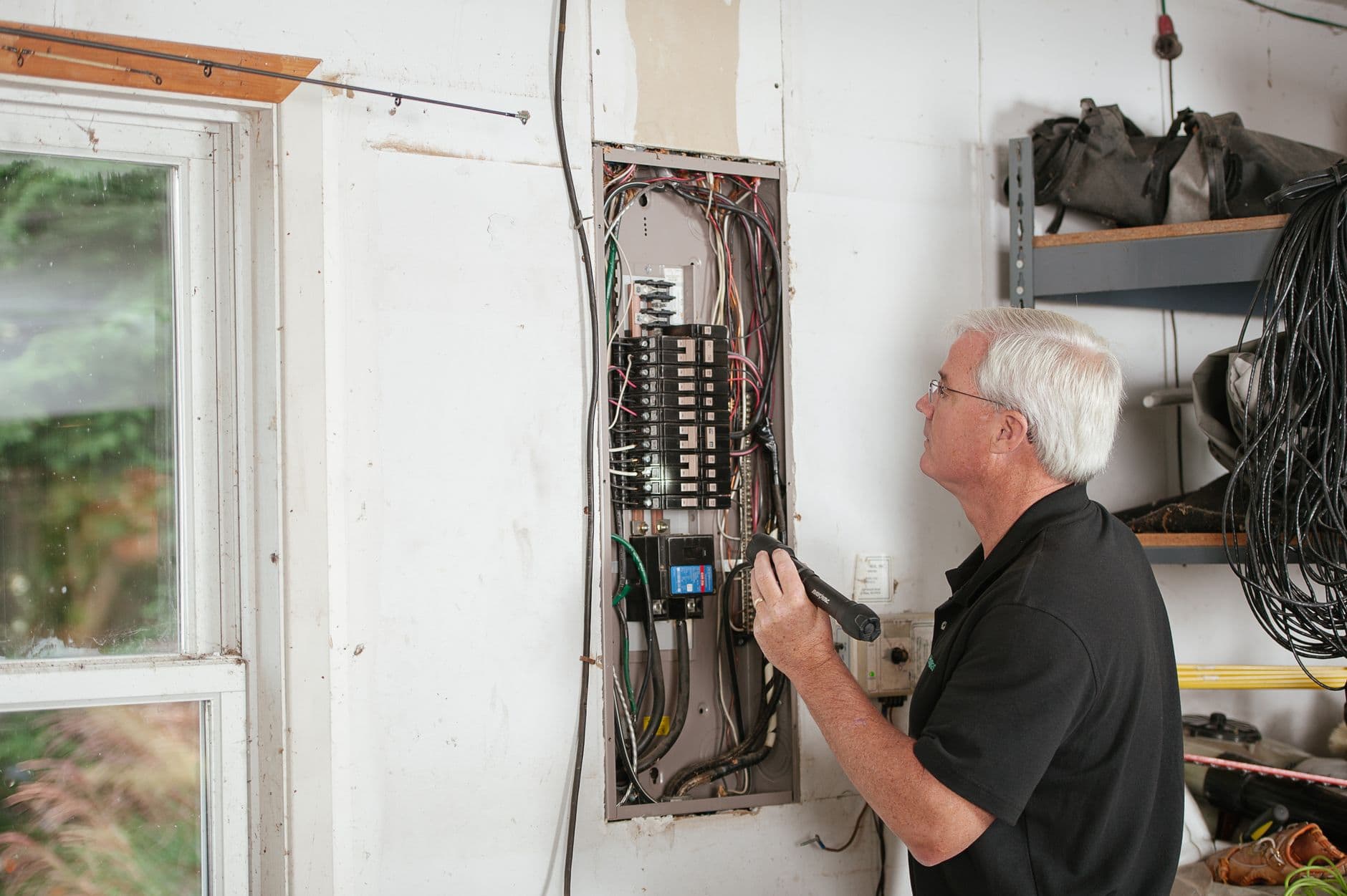
A pre-listing inspection is the same walkthrough a buyer’s inspector would do, including the roof, foundation, electrical, plumbing, HVAC, and structure, just commissioned by you before your home ever hits the market. For roughly $400 to $700, depending on the property’s size and age, a licensed inspector provides a full report on the property’s condition.
What that report buys you is control. You find out about a failing water heater or knob-and-tube wiring on your own schedule, with no offer on the table and no clock running. You decide whether to fix it, price around it, or disclose it and move on. Compare that to finding out about the same issue mid-transaction, after you’ve accepted an offer, when a buyer’s inspector flags it, and you’re negotiating a credit or a repair under time pressure.
The Case for Getting One
You control the narrative. Sellers who get ahead of a known issue by fixing it, pricing around it, or disclosing it upfront with documentation tend to face fewer renegotiations than sellers who let a buyer’s inspector make the first discovery.
It builds buyer confidence. A pre-listing inspection report, especially paired with receipts for completed repairs, signals to buyers and their agents that you’re not hiding anything. In a market where, under current Massachusetts law, every buyer will inspect anyway, getting there first reads as transparency rather than defensiveness.
It protects your timeline. Surprises found during a buyer’s inspection period are the single most common reason a deal slips its closing date or falls apart entirely. Knowing what’s coming lets you plan repairs, gather quotes, or adjust your price before you’re under contract, not during the tightest window of the transaction.
The Case for Skipping One
Recently renovated or updated homes. If you’ve replaced the roof, updated the electrical panel, or gut-renovated within the last few years, a pre-listing inspection is more likely to confirm what you already know than surface something new.
Upfront cost sensitivity. $400 to $700 is real money, and if your home is in solid, well-documented condition, that budget may be better spent on staging or a deep clean, both of which reliably influence buyer perception.
Comfort handling findings during negotiation. Some sellers would rather deal with issues if and when a buyer’s inspector raises them, rather than pay to learn about problems that might never come up. This is a reasonable position for a well-maintained, newer home. It’s a riskier one for an older triple-decker with an unknown system history.
The Decision Framework
Weigh these four factors together rather than any one in isolation:
- Age and condition of major systems. A roof, furnace, or electrical panel with an unknown history is a stronger case for a pre-listing inspection than one you personally replaced and can document.
- Renovation history. Recent permitted work lowers the odds of a surprise. Deferred maintenance or unknown history raises them.
- Housing stock. Much of the inventory in Jamaica Plain, Roslindale, and Hyde Park is pre-1978 construction with decades of ownership history. Older homes in this category benefit more from getting ahead of the inspection than newer construction does.
- Your risk tolerance. If a mid-negotiation surprise would be a serious problem for your timeline or your finances, pay the few hundred dollars now to remove that risk.
What the New Inspection Law Changes (and What It Doesn’t)
Since October 15, 2025, a seller cannot condition an accepted offer on a buyer waiving or limiting their right to a home inspection. At the first written contract, whether that’s the Offer to Purchase or the Purchase and Sale Agreement, both sides sign a Mandatory Residential Home Inspection Disclosure Form confirming that right.
What the law does not require is that you fix anything or lower your price based on what a buyer’s inspection turns up. You can still sell as-is. What’s changed is the odds that nearly every buyer will inspect, since the option to compete by waiving that step is no longer available. That makes knowing what an inspector will find, whether from your own pre-listing inspection or simply an honest self-assessment, more valuable than it used to be.
A Middle Path: The Seller’s Walkthrough
Not every home needs a formal pre-listing inspection to benefit from this thinking. If the cost doesn’t make sense for your situation, walk your own home with a critical eye, or bring in your agent, and flag anything you genuinely don’t know the condition of: the roof’s age, when the furnace was last serviced, whether the electrical system has been updated. You don’t need a full report to remove the biggest surprises from the table. You just need an honest accounting before you list, not after you’re under contract.
Frequently Asked Questions
How much does a pre-listing inspection cost in the Boston area?
Typically $400 to $700 for a standard single-family or condo, with specialty tests like radon adding to the total. Larger multi-family properties, like a triple-decker, generally cost more due to the additional units and systems.
Does a pre-listing inspection replace the buyer’s own inspection?
No. Buyers retain the right to conduct their own inspection, regardless of whether you’ve had one. A pre-listing inspection gives you information in advance; it doesn’t waive or replace the buyer’s protected right to inspect under Massachusetts law.
Will a pre-listing inspection hurt my sale if it finds problems?
Not typically, since you control what to do with the information before anyone else sees it. You can repair the issue, price around it, or disclose it with documentation. The bigger risk is usually the opposite: a buyer’s inspector finding the same issue mid-negotiation, with far less room for you to manage the response.
Is a pre-listing inspection worth it for a newer or recently renovated home?
Often less so. If major systems have been replaced recently and you have documentation, the odds of a costly surprise are lower, and that budget may do more for your sale if spent elsewhere, such as on staging or photography.
Whether a pre-listing inspection makes sense for your home depends on its age, condition, and how much certainty you want walking into a sale. Juan Murray, Broker Associate with RE/MAX Real Estate Center, walks sellers across Jamaica Plain, Roslindale, Hyde Park, Dorchester, and Roxbury through this exact decision before they list. Schedule a complimentary and confidential consultation to talk through your specific property.