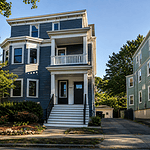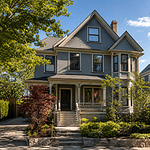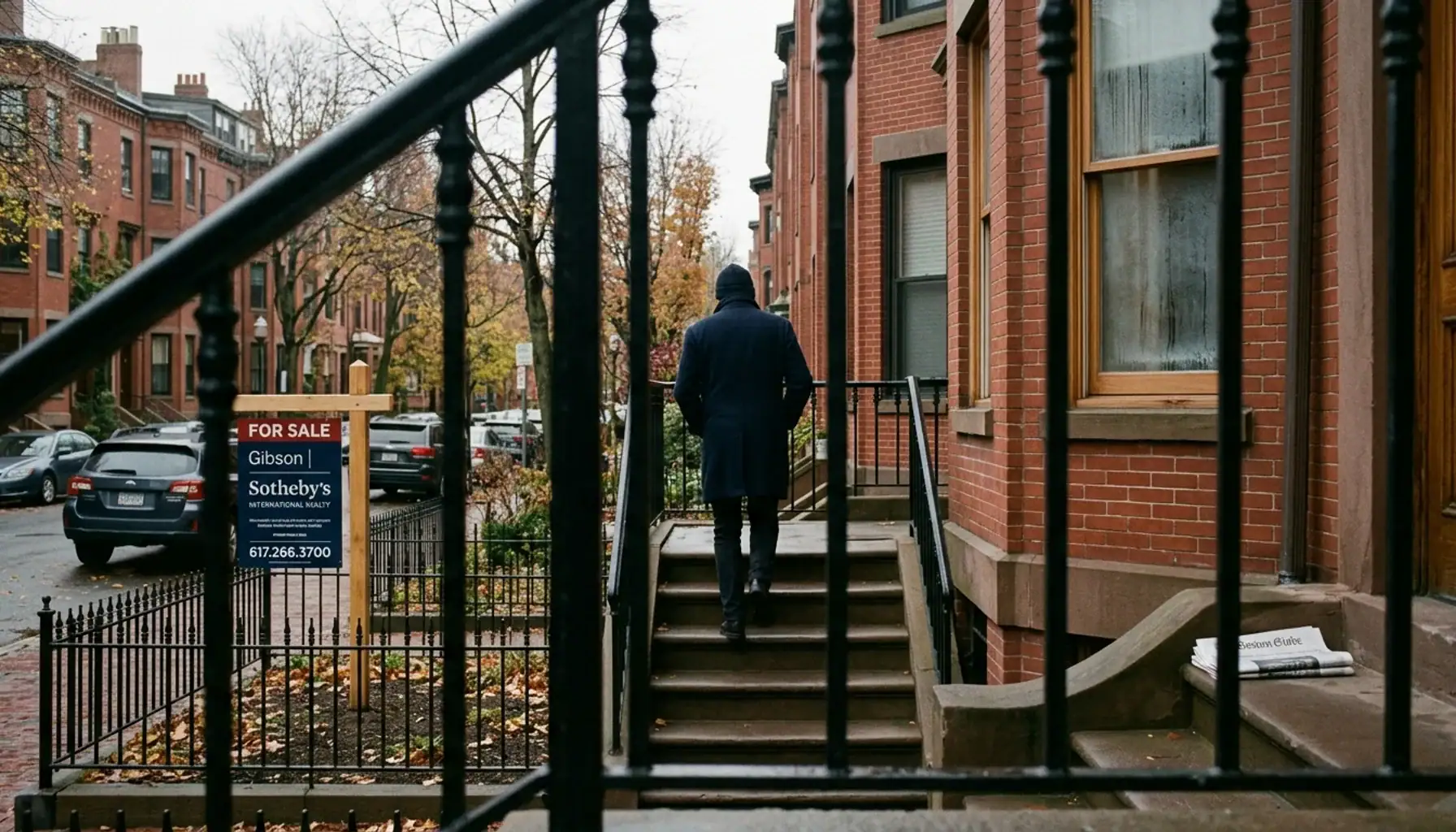
Boston’s proposed transfer fee would charge up to 2 percent on the portion of a home sale above $2 million, and as of 2026, it is still a proposal, not law. It needs approval from the Massachusetts Legislature and Governor Maura Healey before it takes effect, which means most sellers across Jamaica Plain, Roslindale, Hyde Park, Dorchester, and Roxbury would not owe this fee even if it eventually passes, since typical sale prices in these neighborhoods fall well under that threshold.
-
Boston’s proposed transfer fee applies a charge of up to 2 percent only to the portion of a residential sale that exceeds $2 million, not the full sale price.
-
The Boston City Council approved the home rule petition in April 2026, and it now needs sign-off from the Massachusetts Legislature and Governor Healey, neither of which has happened yet.
-
Median sale prices in Jamaica Plain, Roslindale, Hyde Park, and Dorchester run well below $2 million, so most sellers in these neighborhoods would not be affected even if the fee becomes law.
-
Owners of two-, three-, and four-family properties face a real gray area, since the petition language does not clearly spell out how the $2 million threshold applies to multi-family sales.
-
This proposed fee is separate from the existing Massachusetts deed excise tax (roughly $4.56 per $1,000 of sale price), which every seller already pays regardless of price.
-
Other Massachusetts communities, including Cape Cod towns like Chatham and Wellfleet, have pursued their own separate local transfer fee petitions, which keeps pressure on Beacon Hill even if Boston’s version stalls again.
If you’re selling a triple-decker in Roxbury or a condo in Jamaica Plain this year, you’ve probably seen headlines about this fee and wondered whether it touches your closing. For the overwhelming majority of sellers in these five neighborhoods, it doesn’t, at least not yet, and probably not even if it becomes law. But there are specific situations, particularly with multi-family properties and luxury single-families, where this proposal deserves a closer look before you set a listing price.
This guide breaks down exactly what the proposed fee would do, who it would actually affect, how it stacks against the tax you already pay at closing, and what it means for your timeline if you’re planning a sale in 2026. At Juan Real Estate Group, we field questions about this proposal almost weekly from sellers who assume it applies to them when it almost certainly doesn’t, and from a smaller group of multi-family owners who have a legitimate reason to ask more questions.
What Is Boston’s Proposed Transfer Fee?
Boston’s proposed transfer fee is a charge of up to 2 percent on the portion of a residential sale price above $2 million, approved by the Boston City Council as a home rule petition in April 2026. The first $2 million of any sale would remain exempt, so the fee only applies to the amount above that line, not the full transaction.
The Boston City Council voted 11 to 2 to send the petition to the state legislature. Mayor Michelle Wu signed it and continued advocating for it through the spring, including a public appearance at the Blessed Sacrament redevelopment site in Hyde Square, a project reshaping part of the border between Jamaica Plain and Roxbury.
Revenue from the fee would go to the city’s Neighborhood Housing Trust to fund income-restricted housing and to expand a property tax break for low-income seniors. This is not a new idea in Boston politics. The city has petitioned the state legislature for some version of a transfer fee four separate times over more than a decade, and a prior attempt failed at the State House in 2022.
City Councilor Ruthzee Louijeune has estimated the fee would apply to roughly 10 percent of home sales citywide, concentrated almost entirely at the luxury end of the market.
Does the Fee Become Law Automatically After Council Approval?
No. A home rule petition approved by the Boston City Council does not create law on its own. It only authorizes the city to formally ask the Massachusetts Legislature for permission, and nothing changes until both the legislature votes to approve it and Governor Healey signs it.
As of 2026, that has not happened, and there is no confirmed timeline for when, or if, it will. This is the single most important fact for sellers to understand: the fee does not exist in enforceable form right now. It is a request sitting in front of Beacon Hill, not a rule already governing your closing.
Massachusetts has seen local communities file similar requests before without state approval following. That history matters here. A prior Boston transfer fee attempt died in 2022 without ever reaching a floor vote, which shows this kind of proposal can stall for years even after local approval.
If you’re mid-negotiation on a sale or planning to list in the next several months, you are working under current law, which does not include this fee. Any change would require formal legislative action first.
Which Boston Neighborhoods Would Actually Feel This Fee?
Sellers in Jamaica Plain, Roslindale, Hyde Park, and Dorchester would almost certainly never owe this fee, because median sale prices in these neighborhoods sit well below the $2 million threshold. Jamaica Plain’s median has hovered in the $800,000s in recent market cycles, and Roslindale, Hyde Park, and Dorchester have generally traded lower still.
This proposal targets the top of Boston’s housing market, not the standard single-family or condo transaction. A typical two-family in Dorchester or a three-bedroom condo in Roslindale simply isn’t in the price range this fee was designed to capture.
Where the conversation changes is at the luxury tier. Jamaica Plain does have single-family homes that list above $2 million, particularly in pockets near the Arnold Arboretum and along some of the neighborhood’s larger historic parcels. If you own one of these properties, this proposal is worth tracking as you build your pricing strategy, not because it’s law today, but because it could shape net proceeds if it eventually passes.
Roxbury’s luxury segment is smaller but growing as new construction and larger renovated properties enter the market. For most sellers in these five neighborhoods, though, the honest takeaway is that this fee is background noise, not a planning factor.
How Would Multi-Family Sales Be Treated Under the Proposed Fee?
Multi-family sales face genuine uncertainty under the current petition language, because it does not clearly state whether the $2 million threshold applies per building, per unit, or in some other combined calculation. This ambiguity matters most in Dorchester, Jamaica Plain, and Roxbury, where two-, three-, and four-family properties make up a large share of the housing stock.
A triple-decker in these neighborhoods can reasonably sell in the $1 million to $1.8 million range today, and combined portfolio sales or larger multi-unit buildings can push closer to or past $2 million. Whether a multi-family sale gets treated the same as a single-family sale, or whether it receives any different exemption structure, has come up repeatedly in public comment on the proposal without a clear resolution.
If you’re weighing a sale of a two-family or three-family property, this gap in the language is a legitimate reason to get specific guidance rather than assume the fee doesn’t apply simply because your building isn’t a mansion. Our detailed breakdown of selling a multifamily property with an unpermitted unit in Boston covers related pricing complications that often intersect with this same conversation, particularly around how appraisers and buyers treat combined unit value.
At Juan Real Estate Group, we’ve walked multi-family owners through exactly this kind of threshold question using real comparable sales data, not speculation about how a bill might eventually read.
How Does the Proposed Fee Compare to Massachusetts’ Existing Deed Excise Tax?
Massachusetts already charges every home seller a deed excise tax, commonly called MA tax stamps, which runs roughly $4.56 per $1,000 of sale price and applies to every closing regardless of price point. This existing tax is separate from Boston’s proposed transfer fee and would remain in place either way.
The table below shows how the two charges differ in structure, scope, and current legal status.
-
Legal status: MA deed excise tax: already in effect statewide. Boston’s proposed transfer fee: pending, needs legislature and governor approval.
-
Rate: MA deed excise tax: roughly $4.56 per $1,000 of sale price. Boston’s proposed transfer fee: up to 2 percent on the portion above $2 million.
-
Applies to: MA deed excise tax: every residential sale in Massachusetts. Boston’s proposed transfer fee: only sales where a portion exceeds $2 million.
-
Who typically pays: MA deed excise tax: seller, standard practice statewide. Boston’s proposed transfer fee: seller, per current petition language.
-
Where revenue goes: MA deed excise tax: state general fund. Boston’s proposed transfer fee: Boston’s Neighborhood Housing Trust.
If the proposed fee eventually becomes law, it would stack on top of the existing deed excise tax, but only for the portion of a sale above $2 million. Both charges factor into your net proceeds when selling a home in Boston, and sellers near the luxury threshold should model both when running numbers on a potential listing price.
What Should You Do If You’re Planning a Sale in 2026?
For most sellers, the honest guidance is that this proposal shouldn’t change your selling timeline unless your home is realistically priced above $2 million or you own a multi-family property whose combined sale value approaches that number. The factors that actually move your outcome this year are the same ones that always matter: current inventory on your block, how comparable units in your building or street have traded recently, and whether your list price matches real absorption data rather than a generic online estimate.
Here’s a practical way to think through your specific situation:
-
Confirm your realistic price range. Pull recent comparable sales for your neighborhood rather than relying on an automated valuation tool, since these tools routinely miss triple-decker layouts, tenant situations, and condo fee structures common to Boston’s housing stock.
-
Flag it if you’re near $2 million. Single-family sellers in Jamaica Plain and Roxbury approaching this threshold should factor the proposed fee into pricing conversations now, even though it isn’t law, so there are no surprises if it passes mid-transaction.
-
Get clarity on multi-family treatment. If you own a two-, three-, or four-family property with a combined value near $2 million, ask a specific question about how the current petition language would apply to your building before you finalize a listing strategy.
-
Separate this proposal from your actual closing costs. Review your expected closing costs for Boston buyers and sellers using current law, not a fee that may never take effect.
-
Watch for capital gains overlap. Sellers at the luxury tier should also review how capital gains tax applies to a Massachusetts home sale, since a high-value transaction can trigger both this proposal and federal tax exposure simultaneously.
Common mistake we see: sellers pricing a listing based on fear of a fee that isn’t law yet, which can lead to underpricing a property that would never have been affected in the first place. Don’t let a pending bill drive a pricing decision that should be based on current comparable sales.
Is Boston the Only Massachusetts Community Pushing for a Transfer Fee?
No. Boston is one of several Massachusetts communities pursuing a local-option transfer fee, and this broader trend is part of why the proposal remains active despite years of stalled attempts. Two Cape Cod towns in Barnstable County, Chatham and Wellfleet, have filed their own separate home rule petitions rather than a single county-wide measure. Chatham’s petition proposes a 0.5 percent fee on sales over $2 million and remains in committee with a reporting deadline extended to June 2026. Wellfleet’s petition proposes a combined 2 percent fee, split evenly between buyer and seller, with an exemption tied to the town’s median home value, and it has not yet cleared local approval.
Similar local-option transfer fee bills covering other Massachusetts towns have also been filed at the State House during 2026. Each of these carries its own threshold and structure, but the cumulative effect is more legislative pressure on Beacon Hill to eventually act on some version of a transfer fee framework, even if Boston’s specific petition stalls again as it did in 2022.
Real estate industry groups, including the Greater Boston Real Estate Board, have opposed the fee and pointed to research arguing it could slow transaction volume at the top of the market and potentially push rents higher in already constrained submarkets. Supporters counter that a narrowly targeted fee on the highest-value sales is a reasonable funding mechanism for affordable housing that leaves the vast majority of Boston homeowners untouched.
Both positions have merit, and neither changes the practical reality for a typical seller in these five neighborhoods today: current law governs your closing, and this proposal is not part of that law.
What Are the Real Trade-offs of Waiting to Sell Because of This Proposal?
Delaying a sale because of a fee that isn’t law carries real opportunity cost, particularly in a market where mortgage rate uncertainty is already keeping some buyers on the sidelines. A significant share of Boston buyers are reportedly holding off in hopes that mortgage rates drop further, which means sellers who wait for regulatory clarity on top of that could face a smaller buyer pool when they finally list. If you’re a downsizing homeowner or navigating a life transition sale, waiting on a proposal with no confirmed timeline rarely makes financial sense. The absorption rate and days-on-market trends for your specific block matter far more to your outcome this year than a bill sitting in legislative committee. We’d rather see a seller act on real, current market data than freeze in place waiting for a vote that may not happen for years, if at all.
For sellers with tenants in place, this consideration compounds further. If you’re navigating a sale with tenants in place, timing already involves enough moving parts under Massachusetts law without adding speculation about a fee that hasn’t passed.
Frequently Asked Questions
Is Boston’s transfer fee currently in effect?
No. The Boston City Council approved a home rule petition in April 2026, but the fee cannot take effect until the Massachusetts Legislature approves it and Governor Healey signs it. As of 2026, neither step has occurred.
How much would the proposed transfer fee cost a seller?
The proposal calls for a fee of up to 2 percent on only the portion of a sale price above $2 million, with the exact rate to be set by city ordinance if the petition becomes law. A home selling for $2.5 million, for example, would see the fee apply only to the $500,000 above the threshold, not the full sale price.
Would a typical Jamaica Plain or Dorchester home sale be affected?
Almost certainly not. Median sale prices in Jamaica Plain, Roslindale, Hyde Park, and Dorchester run well below the $2 million threshold, which means the vast majority of sellers in these neighborhoods would owe nothing under this proposal even if it eventually passes.
Does the proposed fee apply to multi-family properties?
This remains unclear. The current petition language does not specify whether the $2 million threshold applies per property, per unit, or through a different combined calculation for multi-family buildings, which is a legitimate concern for owners of larger two-, three-, and four-family properties in Dorchester, Jamaica Plain, and Roxbury.
Is this fee separate from the Massachusetts deed excise tax?
Yes. The state’s existing deed excise tax, roughly $4.56 per $1,000 of sale price, already applies to every Massachusetts closing regardless of price and remains unchanged. The proposed fee of up to 2 percent would stack on top of that existing tax only for the portion of a sale above $2 million, and only if approved.
Has Boston tried to pass a transfer fee before?
Yes. Boston has petitioned the state legislature for some version of a transfer fee four times over more than a decade, including an attempt that died at the State House in 2022 without reaching a final vote.
Where would the revenue from the fee go if it passes?
Revenue would fund Boston’s Neighborhood Housing Trust, which builds and preserves income-restricted housing, and would expand a property tax break for low-income seniors, according to the language in the April 2026 city council petition.
What This Means for Your Boston Home Sale in 2026
Boston’s proposed transfer fee remains exactly that, a proposal, and it requires both Massachusetts Legislature approval and the governor’s signature before it affects a single closing. For the overwhelming majority of sellers across Jamaica Plain, Roslindale, Hyde Park, Dorchester, and Roxbury, current median prices place this proposal well outside the range that matters to your sale.
If you own a luxury single-family near or above $2 million, or a multi-family property whose combined value approaches that threshold, the fee’s unresolved language is worth a direct conversation before you set your pricing strategy, not because it’s law today, but because getting ahead of it costs nothing and protects your planning either way. Everyone else should focus on what’s already proven to move the needle: accurate pricing built on real comparable sales, understanding your neighborhood’s actual absorption rate, and timing your listing around genuine market conditions rather than a bill that has stalled twice before.
Whether you’re weighing a luxury single-family sale, a multi-family exit, or simply trying to separate real legal risk from headline noise, the numbers matter more than speculation. Juan Murray and Juan Real Estate Group have helped homeowners and investors across these five neighborhoods make these calls with real MLS data behind them, not a Zestimate and a guess.
If you’re trying to figure out whether Boston’s proposed transfer fee actually touches your specific sale, whether it’s a luxury single-family in Jamaica Plain or a multi-family in Dorchester, a free, confidential consultation with Juan Murray can walk through your numbers with zero pressure to list. Schedule a call with Juan Real Estate Group and get a straight answer built on your actual property, not a headline.
Written by Juan Murray, Broker Associate, RE/MAX Real Estate Center, 30+ years of Boston real estate experience at Juan Real Estate Group