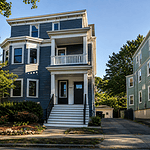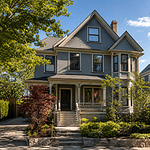
Boston’s proposed transfer fee would charge up to 2 percent on the portion of a home sale above $2 million, and as of 2026, it is still a proposal, not law. It needs approval from the Massachusetts Legislature and Governor Maura Healey before it takes effect, which means most sellers across Jamaica Plain, Roslindale, Hyde Park, Dorchester, and Roxbury would not owe this fee even if it eventually passes, since typical sale prices in these neighborhoods fall well under that threshold.
Boston’s Proposed Transfer Fee: Does It Affect Your Sale?
If you’re selling a triple-decker in Roxbury or a condo in Jamaica Plain this year, you’ve probably seen headlines about this fee and wondered whether it touches your closing. For the overwhelming majority of sellers in these five neighborhoods, it doesn’t, at least not yet, and probably not even if it becomes law. But there are specific situations, particularly with multi-family properties and luxury single-families, where this proposal deserves a closer look before you set a listing price. For a complete picture of all seller closing costs, see how much you’ll net from a Boston home sale. For the capital gains tax that applies regardless of this fee, see capital gains tax when selling a Massachusetts home.
What Is Boston’s Proposed Transfer Fee?
Boston’s proposed transfer fee is a charge of up to 2 percent on the portion of a residential sale price above $2 million, approved by the Boston City Council as a home rule petition in April 2026. The Boston City Council voted 11 to 2 to send the petition to the state legislature. Mayor Michelle Wu signed it. Revenue from the fee would go to the city’s Neighborhood Housing Trust to fund income-restricted housing and to expand a property tax break for low-income seniors. City Councilor Ruthzee Louijeune has estimated the fee would apply to roughly 10 percent of home sales citywide, concentrated almost entirely at the luxury end of the market.
This is not a new idea in Boston politics. The city has petitioned the state legislature for some version of a transfer fee four separate times over more than a decade, and a prior attempt failed at the State House in 2022.
Does the Fee Become Law Automatically After Council Approval?
No. A home rule petition approved by the Boston City Council does not create law on its own. It only authorizes the city to formally ask the Massachusetts Legislature for permission, and nothing changes until both the legislature votes to approve it and Governor Healey signs it. As of 2026, that has not happened, and there is no confirmed timeline for when, or if, it will. If you’re mid-negotiation on a sale or planning to list in the next several months, you are working under current law, which does not include this fee.
Which Boston Neighborhoods Would Actually Feel This Fee?
Sellers in Jamaica Plain, Roslindale, Hyde Park, and Dorchester would almost certainly never owe this fee, because median sale prices in these neighborhoods sit well below the $2 million threshold. This proposal targets the top of Boston’s housing market, not the standard single-family or condo transaction.
Where the conversation changes is at the luxury tier. Jamaica Plain does have single-family homes that list above $2 million, particularly in pockets near the Arnold Arboretum. If you own one of these properties, this proposal is worth tracking as you build your pricing strategy. For most sellers in these five neighborhoods, though, the honest takeaway is that this fee is background noise, not a planning factor.
How Would Multi-Family Sales Be Treated Under the Proposed Fee?
Multi-family sales face genuine uncertainty under the current petition language, because it does not clearly state whether the $2 million threshold applies per building, per unit, or in some other combined calculation. This ambiguity matters most in Dorchester, Jamaica Plain, and Roxbury, where two-, three-, and four-family properties make up a large share of the housing stock. A triple-decker in these neighborhoods can reasonably sell in the $1 million to $1.8 million range today, and combined portfolio sales or larger multi-unit buildings can push closer to or past $2 million.
If you’re weighing a sale of a two-family or three-family property, this gap in the language is a legitimate reason to get specific guidance rather than assume the fee doesn’t apply simply because your building isn’t a mansion.
How Does the Proposed Fee Compare to Massachusetts’ Existing Deed Excise Tax?
Massachusetts already charges every home seller a deed excise tax (commonly called MA tax stamps), which runs roughly $4.56 per $1,000 of sale price and applies to every closing regardless of price point. This existing tax is separate from Boston’s proposed transfer fee and would remain in place either way.
| Comparison | MA Deed Excise Tax | Boston’s Proposed Transfer Fee |
|---|---|---|
| Legal status | Already in effect statewide | Pending, needs legislature and governor approval |
| Rate | ~$4.56 per $1,000 of sale price | Up to 2% on the portion above $2 million |
| Applies to | Every residential sale in Massachusetts | Only sales where a portion exceeds $2 million |
| Who pays | Seller (standard practice) | Seller, per current petition language |
Frequently Asked Questions
Is Boston’s transfer fee currently in effect?
No. The Boston City Council approved a home rule petition in April 2026, but the fee cannot take effect until the Massachusetts Legislature approves it and Governor Healey signs it. As of 2026, neither step has occurred.
How much would the proposed transfer fee cost a seller?
The proposal calls for a fee of up to 2 percent on only the portion of a sale price above $2 million. A home selling for $2.5 million, for example, would see the fee apply only to the $500,000 above the threshold, not the full sale price.
Would a typical Jamaica Plain or Dorchester home sale be affected?
Almost certainly not. Median sale prices in Jamaica Plain, Roslindale, Hyde Park, and Dorchester run well below the $2 million threshold, which means the vast majority of sellers in these neighborhoods would owe nothing under this proposal even if it eventually passes.
Does the proposed fee apply to multi-family properties?
This remains unclear. The current petition language does not specify whether the $2 million threshold applies per property, per unit, or through a different combined calculation for multi-family buildings, which is a legitimate concern for owners of larger two-, three-, and four-family properties in Dorchester, Jamaica Plain, and Roxbury.
Is this fee separate from the Massachusetts deed excise tax?
Yes. The state’s existing deed excise tax, roughly $4.56 per $1,000 of sale price, already applies to every Massachusetts closing regardless of price and remains unchanged. The proposed fee would stack on top of that existing tax only for the portion of a sale above $2 million, and only if approved.
Has Boston tried to pass a transfer fee before?
Yes. Boston has petitioned the state legislature for some version of a transfer fee four times over more than a decade, including an attempt that died at the State House in 2022 without reaching a final vote.
Where would the revenue from the fee go if it passes?
Revenue would fund Boston’s Neighborhood Housing Trust, which builds and preserves income-restricted housing, and would expand a property tax break for low-income seniors.
Have questions? Let’s connect.
About Juan Murray
Juan Murray is a Boston broker associate with more than 30 years of experience helping buyers, sellers, and investors across Greater Boston, personally leading every transaction from the first conversation through closing.
RE/MAX Real Estate Center · (617) 721-0961
Equal Housing Opportunity. Juan Murray is licensed as a Broker in Massachusetts, regulated by the Massachusetts Board of Registration of Real Estate Brokers and Salespersons. This article is general information only and does not constitute legal, tax, or financial advice. Confirm your specific costs and obligations with your closing agent, tax advisor, or lender.