Real Estate, Simplified ….

Boston-area real estate, simplified

Real Estate, Simplified ….

Boston-area real estate, simplified

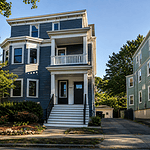
Real estate agent evaluates an expired listing triple decker in Dorchester before relisting

Expired Listing Triple Decker Dorchester: A Seller’s 2026 Fix

An expired listing triple decker in Dorchester almost always comes down to one of three fixable issues: price, exposure to multi-family buyers, or unresolved questions about tenant leases and unit condition. Before you relist, diagnose which one killed your first attempt, because triple deckers sell on different math than single-family homes.

Key Takeaways

  • Pricing a triple decker requires analysis based on rent roll and net operating income, not just square footage comps, which is why generic agents often misprice them the first time around.

  • As of 2026, Greater Boston buyers waiving inspections has dropped to 12%, according to a January 2026 market report from Realtor Mike Mahoney, meaning inspection-related delays are a common reason multi-family deals stall or listings expire.

  • Massachusetts’ 760 CMR 74.00 regulation, effective October 15, 2025, bars sellers from conditioning an accepted offer on a waived inspection, which changes how you should price and negotiate a relisted triple decker.

  • Recent Dorchester triple decker listings on Zillow show list prices from roughly $1,145,000 to $1,550,000, with price cuts of $49,000 to $50,000 documented on comparable properties, underscoring how quickly overpriced multi-families need correcting.

  • Market feedback from an expired listing is not a final verdict. Showing count, offer activity, and buyer objections tell you exactly what to fix before your second attempt.

  • Juan Real Estate Group provides an expired listing consultation grounded in MLS data specific to Dorchester, not a generic relisting at a lower number.

Watching a listing expire without a sale is discouraging. You put in the time, the showings, the waiting, and you are back where you started. But an expired listing is not a dead end. It is market feedback, and if you read it honestly, it tells you exactly what to change before you go back on the market in Dorchester.

Triple deckers carry a specific set of complications that single-family listings do not: three leases, three sets of tenants, condition variance between floors, and buyers who are underwriting the property as an investment first and a home second. An agent who prices a Dorchester three-family the way they would price a Roslindale single-family is setting the listing up to expire before it ever gets real traction.

At Juan Real Estate Group, we have walked Dorchester and Roxbury sellers through exactly this situation: a triple decker that sat, expired, and needed a genuinely different strategy the second time around. This guide breaks down why triple deckers expire, what the 2026 Massachusetts market data says about buyer behavior, and how to build a relisting strategy that actually accounts for rent rolls, inspection law, and absorption speed.

Why Do Triple Decker Listings Expire More Often in Dorchester?

A triple decker listing expires in Dorchester most often because it was priced against single-family comps instead of rent-roll-adjusted multi-family comps, leaving investment buyers unable to make the numbers work. Specifically, when a listing agent overlooks net operating income and prices purely on square footage, buyers doing real underwriting simply pass.

First, triple deckers attract a mixed buyer pool: owner-occupants who want to house hack one unit, and pure investors who care only about cash flow. A price that appeals to an owner-occupant emotionally can still fail an investor’s cap rate test. As a result, listings that only market to one buyer type see thinner offer activity and longer days on market.

Additionally, condition variance between the first, second, and third floor units complicates buyer confidence. A renovated first-floor unit next to a dated third-floor unit with older systems raises questions about deferred maintenance costs across the whole building. Buyers factor that uncertainty into their offer, and if the listing price does not already account for it, negotiations stall and the listing eventually times out.

Recent Zillow data on Dorchester triple deckers illustrates the range at play: a triple decker at 35 Ellington St listed at $1,550,000 with 12 bedrooms and 6 bathrooms saw a $49,000 price cut, while 8 Colonial Ave sat at $1,145,000 with 8 bedrooms and 3 bathrooms. These spreads show how wide the pricing range runs, and how a few thousand dollars per unit in mispricing compounds fast across a three-unit building.

How Should You Price a Relisted Triple Decker in Dorchester?

Pricing a relisted triple decker in Dorchester means building the number from the rent roll, comparable per-unit sale prices, and net operating income, not from a blended square-footage estimate. Specifically, you need three data layers: what similar three-family buildings actually closed for, what the current leases generate monthly, and what an investor’s cap rate expectation implies about your ceiling price.

Start by pulling closed comps for Dorchester and Roxbury three-families from the past six to nine months, not active listings, which reflect asking price rather than market-clearing price. For example, recent Dorchester triple decker asking prices ranged from about $1,145,000 to $1,550,000 on Zillow, but closed prices typically land below list once negotiation and inspection findings factor in.

Next, calculate your net operating income by subtracting realistic operating expenses, taxes, insurance, and a vacancy allowance from gross rental income. Investors are pricing off this number, not the sale price of a comparable single-family home three blocks away.

Finally, factor in the Massachusetts inspection landscape. Because what will fail a home insurance inspection in older triple deckers often includes knob and tube wiring, aging boilers, or roof condition across three units instead of one, buyers now build repair contingencies into their offer more aggressively than they did before the October 2025 rule change. Pricing with a small cushion for negotiated credits, rather than pricing at the ceiling and hoping nothing surfaces, keeps your relisted triple decker from stalling twice.

What Does Massachusetts’ Inspection Waiver Ban Mean for a Relisted Triple Decker?

Massachusetts’ 760 CMR 74.00 regulation, effective October 15, 2025, prohibits sellers from conditioning an accepted offer on a buyer waiving their inspection rights, which directly affects how you should structure your relisting strategy in Dorchester. In practice, this means the buyer pool competing for your triple decker is now guaranteed inspection access, and you should assume every serious offer will include one.

Specifically, the rule includes narrow exemptions for auctions, foreclosures, certain family transfers, and pre-completion new construction with qualifying warranties, none of which apply to a typical Dorchester triple decker resale. As a result, sellers who relist without preparing for a full inspection are repeating the exact mistake that may have contributed to the first expiration.

According to a January 2026 market report from Realtor Mike Mahoney, buyers waiving inspections across Greater Boston fell to 12% in 2026, down from 18% the year before, and appraisal waivers dropped to 15%. This is a structural shift, not a temporary dip. One local Greater Boston home inspector reported a business increase of more than 50% following the rule change, according to reporting on the regulation’s rollout.

For a triple decker, that means three units’ worth of systems, wiring, roofing, and foundation get scrutinized instead of one. Ordering a pre-listing inspection before you relist, so you know what a buyer’s inspector will find before they find it, is one of the more effective corrections we recommend to Dorchester and Roxbury sellers coming off an expired listing.

How Do You Handle Tenant Leases When Relisting a Triple Decker?

Relisting a tenant-occupied triple decker in Dorchester requires disclosing all active lease terms, coordinating showing access around tenant schedules, and pricing the property with the rent roll as a selling point rather than an obstacle. Massachusetts law requires landlords to provide reasonable notice before entering occupied units, and buyers expect full lease documentation upfront.

Start by gathering every lease, noting the term length, monthly rent, and any tenant-paid utilities, and have this ready before your first showing under the new listing. Buyers evaluating a triple decker as an investment want the rent roll on day one, not after they have already made an offer.

Next, coordinate with tenants early. An expired listing often means tenants have already been through one round of showings and are less cooperative the second time. Being direct with tenants about the new listing timeline, and compensating for access disruption where appropriate, tends to keep showings running smoothly.

Consider also that a triple decker with below-market leases in place can actually suppress your sale price, because investors price off in-place income, not market rent potential, unless leases are turning over soon. If you have flexibility, timing the relist near a lease renewal window can improve your negotiating position. For a full breakdown of the notice requirements and buyer strategy involved, see our guide on selling a rental property with tenants in Boston, Massachusetts.

What Should You Change Before Relisting an Expired Triple Decker?

Relisting an expired triple decker successfully means changing at least one of three variables: price, marketing exposure, or property condition, based on what the first listing’s activity actually showed you. Few or no showings usually signal a price meaningfully off from buyer expectations, while plenty of showings but no offers suggest buyers liked the building but did not see the value at that number.

The breakdown below covers common expired listing signals and the corrective action each one points to.

  • Fewer than 5 showings in 30 days: Price is off, or marketing did not reach the multi-family investor pool. Reprice using rent-roll comps; expand marketing to investor networks.

  • 10+ showings, zero offers: Buyers liked the property, but the numbers did not cash flow. Adjust price to match cap rate expectations; highlight NOI clearly.

  • Offers came in, then fell through: Inspection findings or financing issues surfaced late. Order a pre-listing inspection; disclose known issues upfront.

  • Showings dropped off after week 3: Listing lost momentum, went stale in search results. Relist as new rather than reactivating; refresh photos and description.

Notably, a stale listing that simply gets reactivated at the same price with the same photos rarely performs better the second time. Buyers searching Dorchester triple decker inventory often recognize a relisted property and assume something is wrong with it, which is exactly why the pricing and presentation reset matters.

How Does Juan Real Estate Group Approach an Expired Triple Decker Listing?

Juan Real Estate Group’s expired listing consultation for Dorchester triple deckers starts with a diagnostic review of your first listing’s actual market data, showing activity, offer history, and days on market, before recommending any new price or marketing plan. This is not a generic relist at a lower number. It is a rebuild grounded in what the first attempt actually revealed.

Juan Murray, Broker Associate with RE/MAX Real Estate Center, has spent years studying triple decker sales specifically across Dorchester, Roxbury, Jamaica Plain, Roslindale, and Hyde Park, not the citywide Boston market as a whole. That hyperlocal focus matters because a three-family’s value depends heavily on the block, the lot, and comparable rent rolls within a half mile, not a citywide average.

Every pricing recommendation from Juan Real Estate Group is built on actual closed MLS comps and absorption rate data, not an automated Zestimate-style tool that cannot account for tenant leases, unit condition variance, or a triple decker’s specific rent roll. Sellers get a comparative market analysis that reflects what similar Dorchester and Roxbury three-families genuinely closed for, adjusted for the number of units, lot size, and system age.

The consultation itself is free and confidential, with no pressure to sign anything on the first call. If your Dorchester triple decker expired once already, Juan will walk through exactly what the showing and offer data suggests went wrong, whether that is price, tenant complications, condition disclosure, or inspection readiness under the new 760 CMR 74.00 rule, and build a specific plan before you relist. If you are earlier in the process and considering whether to buy a triple decker in Dorchester instead of sell, that same MLS-driven approach applies to acquisition pricing too.

What sets this approach apart is the depth of neighborhood-specific data behind every recommendation: actual closed comps and rent rolls from Dorchester and Roxbury specifically, not citywide averages or automated valuation tools that cannot account for triple decker pricing dynamics.

What Does the Current Boston Multi-Family Market Look Like in 2026?

The 2026 Boston multi-family market is defined by more cautious buyers who increasingly request inspection and appraisal contingencies rather than waiving them, and by first-time buyers making up a larger share of activity than in recent years. As a result, a triple decker seller who relies on 2021 or 2022 seller-market assumptions, quick offers, and waived contingencies will likely misjudge how their relisted property performs.

Specifically, first-time buyers now account for 31% of the Greater Boston market in 2026, according to the January 2026 Mahoney market report, while all-cash transactions hold steady at 27%. That mix matters for a triple decker seller because first-time buyers frequently pursue house hacking, living in one unit while renting the other two, which changes how they evaluate rent roll income versus owner-occupant financing options like FHA loans.

Additionally, inspection costs themselves have risen. The Boston metro area averages roughly $411 per standard home inspection as of 2026, above the national average near $343, according to AmeriSave’s 2026 buyer guide data. For a triple decker, buyers often budget for a more thorough, multi-unit inspection, which can push costs and negotiation leverage higher than a single-family transaction.

If you are weighing whether now is the right window to relist versus waiting, our analysis on whether to sell your Boston home now or wait until spring 2026 walks through the seasonal absorption data that applies just as directly to multi-family sellers as it does to single-family homeowners.

Should You Reduce Price or Offer a Concession on a Relisted Triple Decker?

Choosing between a price reduction and a seller concession on a relisted Dorchester triple decker depends on whether your original expiration was caused by a valuation gap or by financing and repair friction. A straight price cut fixes a valuation problem; a concession, such as a credit toward repairs or closing costs, fixes a friction problem without signaling that the underlying value was wrong.

Start by analyzing whether your showing data suggests buyers simply did not believe the property was worth the asking price. A direct reduction grounded in updated rent-roll comps sends a clearer signal than a concession. Investors doing real underwriting see through a concession that does not change the actual cap rate math.

Consider also whether offers came in and then fell apart over inspection findings, specifically things like an aging boiler or knob-and-tube wiring in one of the three units. A repair credit or closing cost concession can keep your listed price intact while removing the friction that killed the last deal. This approach also avoids resetting buyer expectations about the building’s overall value.

Remember that in a market where inspection waivers have fallen to 12% as of 2026, more buyers than in prior years will surface repair issues during due diligence regardless of price. Building a small negotiation cushion into your strategy up front, rather than reacting deal by deal, tends to produce a smoother second listing. Our detailed comparison of seller concessions versus price reductions for Boston home sellers covers the decision framework in more depth.

Data & Evidence: What Dorchester Triple Decker Listings Actually Show

Current Dorchester triple decker listings on Zillow provide a useful cross-section of pricing behavior in this segment. Specifically, list prices for comparable three-family properties in Dorchester currently range widely based on unit condition, bedroom count, and lot features.

  • 35 Ellington St: $1,550,000, 12 bed / 6 bath. $49,000 price cut recorded.

  • 22 Rowell St: $1,299,000, 8 bed / 3 bath. Standard three-unit configuration.

  • 23 Santuit St: $1,199,900, 8 bed / 3 bath. Comparable to Rowell St pricing tier.

  • 8 Colonial Ave: $1,145,000, 8 bed / 3 bath. Lower end of current asking range.

The roughly $400,000 spread between the highest and lowest asking prices in this sample reflects bedroom count, bathroom count, and likely lot or unit condition differences rather than location alone, since all four properties sit within Dorchester. This is exactly the kind of granular, per-property variance that a citywide average or an automated valuation tool misses, and why rent-roll-adjusted, comp-specific pricing matters more for triple deckers than for single-family homes.

Notably, both documented price cuts referenced in current Dorchester inventory ($49,000 on Ellington St and $50,000 on a comparable Callender St listing) suggest sellers in this segment are actively correcting initial overpricing mid-listing rather than waiting for expiration. Making that correction before you relist, rather than during a live listing, tends to produce better buyer perception.

Practical Guidance: A Step-by-Step Relisting Checklist for Dorchester Triple Deckers

Relisting a triple decker after an expiration works best as a sequential process, not a single price change. The checklist below reflects the order we walk Dorchester and Roxbury sellers through in a consultation.

  1. Gather the full showing and offer history from your first listing, including agent feedback notes, to identify whether the issue was price, exposure, or condition.

  2. Order a pre-listing inspection covering all three units, given that Massachusetts’ 760 CMR 74.00 rule means buyers will almost certainly inspect regardless of price point.

  3. Rebuild your comparative market analysis using closed triple decker sales from the past six to nine months in Dorchester and Roxbury specifically, not citywide averages.

  4. Confirm all tenant leases are current, documented, and ready to share with prospective buyers on day one of the new listing.

  5. Decide between a price reduction and a concession strategy based on whether the prior expiration was a valuation issue or a friction issue.

  6. Refresh all marketing materials, including new photos, so the relisted property does not read as stale to buyers browsing Dorchester inventory.

  7. Schedule a confidential consultation to pressure-test the new price and strategy against current absorption data before going live.

Common mistakes to avoid include reactivating the exact same listing at a small discount, ignoring tenant lease timing when setting your relist date, and skipping a pre-listing inspection in a regulatory environment where nearly all serious buyers will order one anyway.

Frequently Asked Questions

Why did my Dorchester triple decker listing expire without an offer?

Most Dorchester triple decker listings expire because the price was set using single-family comps instead of rent-roll-adjusted multi-family comps, which investment buyers reject once they run their own numbers. Condition variance between units and unclear tenant lease documentation are the other two most common causes.

How long should I wait before relisting an expired triple decker?

There is no fixed waiting period required under Massachusetts law, though most Dorchester sellers benefit from a few weeks to correct pricing, order a pre-listing inspection, and refresh marketing materials before going back on market. Relisting immediately at the same price rarely performs better.

Does Massachusetts’ inspection waiver ban apply to multi-family properties like triple deckers?

Yes, 760 CMR 74.00, effective October 15, 2025, applies broadly to residential transactions in Massachusetts, including triple deckers, with narrow exemptions for auctions, foreclosures, certain family transfers, and pre-completion new construction. A typical Dorchester triple decker resale does not qualify for these exemptions.

Can I sell a Dorchester triple decker with tenants still living in it?

Yes, selling a tenant-occupied triple decker in Massachusetts is common and legal, provided you follow proper notice requirements for showings and disclose all active lease terms to prospective buyers. Investors often view existing leases as a selling point when the rent roll is strong and well documented.

How is pricing a triple decker different from pricing a single-family home in Dorchester?

Triple decker pricing depends heavily on net operating income, rent roll strength, and per-unit comparable sales, while single-family pricing relies more on square footage and finish-level comps. A generic agent who prices a three-family like a single-family home is one of the most common causes of an expired multi-family listing.

What is the average home inspection cost for a triple decker in Boston?

The Boston metro area averages roughly $411 per standard home inspection as of 2026, though a three-unit triple decker inspection often costs more than a single-unit inspection because it typically covers three separate systems, electrical panels, and unit conditions.

Should I reduce the price or offer a concession after an expired triple decker listing?

A price reduction makes sense if buyers clearly rejected the value proposition during the first listing, while a concession works better if the issue was repair findings or financing friction rather than the underlying price. Reviewing your specific showing and offer history is the best way to decide which applies.

What should I look for in an agent to relist my Dorchester triple decker?

Look for an agent with documented experience pricing multi-family properties specifically in Dorchester and neighboring Boston neighborhoods, comfort analyzing rent rolls and net operating income, and a plan for handling tenant-occupied showings. A confidential consultation before committing lets you compare that expertise directly against your prior listing’s results.

Relisting Your Dorchester Triple Decker: What Comes Next

An expired listing feels like a failure, but it is really an unsuccessful market test. Diagnose it honestly using your showing count, offer history, and buyer feedback, fix what actually caused it, whether that is rent-roll pricing, tenant lease documentation, or inspection readiness under the 2026 rule change, and you are in a far stronger position the second time around.

As of 2026, Greater Boston’s more cautious buyer pool, first-time buyers at 31% of transactions, and inspection waivers down to 12% means a relisted Dorchester triple decker needs a pricing and preparation strategy built for current conditions, not a repeat of the first attempt. Juan Real Estate Group builds that strategy from real MLS comps and rent-roll data specific to Dorchester, Roxbury, Jamaica Plain, Roslindale, and Hyde Park.

If your triple decker listing expired and you are unsure whether the issue was price, tenant complications, or inspection readiness, get started with Juan Real Estate Group through a free, confidential expired listing consultation. Juan will walk through your specific showing and offer data before recommending any new number.

Written by Juan Murray, Broker Associate, RE/MAX Real Estate Center, 30+ years of Boston real estate experience at Juan Real Estate Group