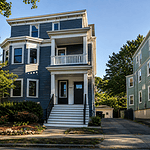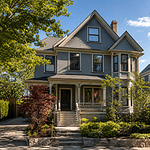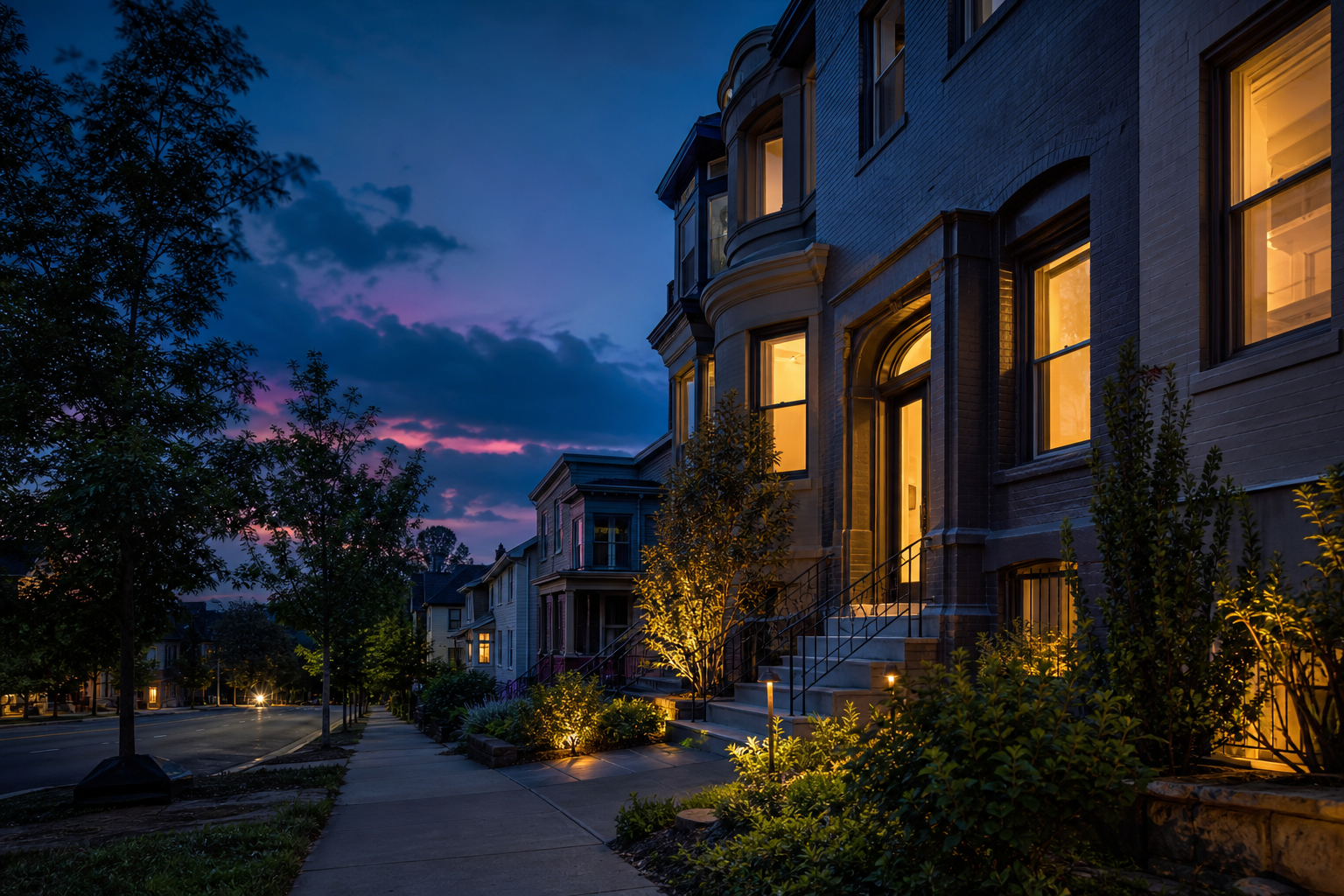
The Seaport District’s near-$2M median sale price sets a luxury benchmark that ripples across Greater Boston, raising buyer expectations for finishes and amenities even in neighborhoods like Dorchester, Roxbury, and Jamaica Plain. The Greater Boston median single-family sale price reached $1,032,500 in April 2026, per GBAR data. Sellers who understand the Seaport benchmark can price sharper, position smarter, and close faster.
How the Seaport District’s Development Affects Home Sale Strategy Across Greater Boston
The Seaport District’s rise to a near-$2M median sale price and $1,700+ per square foot has made it Boston’s de facto luxury benchmark. That benchmark shapes what buyers expect in finishes, amenities, and value across every Greater Boston neighborhood, which means sellers in Roxbury, Dorchester, Jamaica Plain, and beyond need a strategy that accounts for it, even if their home is nowhere near the waterfront. For the pricing mistakes that most commonly derail listings in this environment, see Boston home pricing mistakes sellers make. And for the smoke and CO certificate you’ll need before closing anywhere in Greater Boston, see Massachusetts smoke and CO detector certificate requirements for sellers.
What the Seaport’s Pricing Really Means for the Rest of Greater Boston
According to Redfin’s Seaport District neighborhood data (last updated January 2026 using December 2025 sales), the Seaport’s median sale price sits around $2M with a median price per square foot above $1,700. That is not a Back Bay brownstone or a Beacon Hill rowhouse — it is new construction, glass towers, concierge amenities, and harbor views. The gap between Seaport pricing and the rest of the market is enormous, but that gap is exactly why it matters to your strategy. Buyers who toured a Seaport tower on Saturday and are walking through your Roslindale two-family on Sunday are making comparisons, consciously or not.
The Halo Effect: Neighborhoods Closest to the Seaport
If your home is in South Boston, Fort Point, or East Boston, you are already benefiting from proximity. Buyers priced out of Seaport towers often land in these neighborhoods. Your marketing should name that directly: walkability to the Seaport, Silver Line access, the waterfront lifestyle at a lower price per square foot. But the halo extends further. When buyers cannot find what they want in the Seaport or adjacent neighborhoods, they expand their search — and that search often lands in Dorchester, Jamaica Plain, Roxbury, and Mattapan.
The Benchmark Effect: Neighborhoods Further Out
A buyer who has spent months comparing Seaport condos arrives at your Jamaica Plain Victorian with a mental picture of quartz countertops, in-unit laundry, and a roof deck. They know your neighborhood is not the Seaport, but they have recalibrated what “updated” means. If your home’s finishes are dated, that gap between expectation and reality shows up in offers. The fix is not always a full renovation — sometimes it is strategic pricing that makes the value case obvious, and sometimes it is targeted updates that close the perception gap for less than you would think.
Here is where Greater Boston’s neighborhoods stand right now, based on recent Zillow market data (trailing approximately 90 days, as of August 2026). These are area-level medians; your specific home’s value depends on condition, street, build year, and timing.
| Area | Median Sale Price | Median Days on Market |
|---|---|---|
| Roxbury | $691,000 | 52 |
| Hyde Park | $644,138 | 50 |
| Somerville | $930,000 | 54 |
| Roslindale | $725,000 | 41 |
| Cambridge | $1,200,000 | 44 |
| Jamaica Plain | $817,500 | 49 |
| Dorchester | $650,000 | 49 |
| Mattapan | $566,000 | 54 |
Building Your Selling Strategy Around the Seaport Reality
Pricing: Sharp Beats Optimistic
The spring 2026 market offered a useful lesson. February 2026 showed a soft patch — the Greater Boston median single-family price dipped to $852,500, down 4% year-over-year — then April rebounded sharply above $1M. That kind of volatility rewards sellers who price to the current moment, not to last quarter’s headlines. Overpricing your Dorchester triple-decker or your Somerville condo because the market feels strong is a real risk. Buyers are comparison-shopping across a wide range of inventory. If your price does not make the value case immediately, you sit — and sitting costs you in both time and eventual sale price.
Positioning: Tell a Story the Seaport Can’t
New construction in the Seaport is impressive. It is also uniform, expensive, and often comes with condo fees that give buyers pause. Your older home in Jamaica Plain or Roslindale has something those towers do not: character, lot size, established neighborhood feel, and in many cases, more square footage per dollar. The job growth concentrated in the Seaport sends buyers outward when waterfront prices exceed their budget. Your marketing should speak to that reality: proximity to transit lines that connect to the Seaport employment corridor, walkable neighborhood amenities, and a price per square foot that looks very different from $1,700.
Preparation: What Massachusetts Requires Before You Close
Massachusetts is an attorney-closing state — a licensed attorney must conduct or directly supervise your closing. Beyond the closing structure, here are the key compliance items to plan for well before listing:
- Lead paint disclosure: If your home was built before 1978, federal law and Massachusetts law require you to provide lead paint disclosure forms and any inspection reports to the buyer before signing the P&S. This applies to a significant share of older housing stock in Roxbury, Dorchester, and Mattapan.
- Smoke and carbon monoxide detector certificate: You will need a compliance certificate from your local fire department, typically obtained in the final days before closing, confirming that detectors meet code.
- Title 5 septic inspection: For properties with on-site septic systems (more common in outer suburbs than urban Boston), MassDEP Title 5 requires an inspection within a specified timeframe before transfer.
- 6(d) certificate for condos: If you are selling a condo, the association or management company must provide a certificate confirming common charges and special assessments are current.
Frequently Asked Questions
How does the Seaport’s luxury boom affect what my condo in Dorchester could sell for?
Directly, the Seaport’s near-$2M median does not set your Dorchester price, but it shapes buyer expectations. Buyers who have toured Seaport towers arrive in Dorchester with a mental benchmark for finishes and amenities. Recent Zillow market data puts Dorchester’s median sale price at $650,000 with a median of 49 days on market. Your job is to make the value case crystal clear in your pricing and presentation.
If Seaport prices are near $2 million, will buyers expect similar finishes elsewhere in Greater Boston?
Yes, to a degree. The Seaport has recalibrated what “updated” means for a significant segment of Boston buyers, particularly those working in the tech, finance, and biotech sectors concentrated near the waterfront. You do not need to match Seaport finishes, but dated kitchens and bathrooms will draw sharper scrutiny than they did five years ago. Strategic updates or pricing that honestly reflects condition are both valid responses.
Are Seaport District prices still rising in 2026, or have they leveled off?
Redfin’s neighborhood data (last updated January 2026, using December 2025 sales) shows Seaport prices roughly flat year-over-year at around $1.975M to $2M — a plateau at a very high level rather than a decline. The Seaport appears to be consolidating its gains rather than accelerating further, which is consistent with a luxury segment that has already priced out most of the market.
How should I price my home if I’m competing with newer luxury inventory in the Seaport?
You are not really competing with Seaport inventory — you are appealing to buyers who want Greater Boston’s lifestyle at a different price point. The right strategy is to price to your neighborhood’s actual comparables, not to Seaport towers, and then position your home’s specific advantages: lot size, character, transit access, or income potential.
What local costs and compliance steps do I need to plan for when selling in Boston?
Massachusetts is an attorney-closing state, so a licensed attorney handles your closing rather than a title company. Required compliance items include a smoke and CO detector certificate from your local fire department, lead paint disclosure for homes built before 1978, and a 6(d) certificate from your condo association if you are selling a unit. The deed excise tax is a statutory cost tied to your sale price, with who pays it subject to negotiation in your contract. Plan for these steps early — missing any of them can delay your closing date.
Have questions? Let’s connect.
About Juan Murray
Juan Murray is a Boston broker associate with more than 30 years of experience helping buyers, sellers, and investors across Greater Boston, personally leading every transaction from the first conversation through closing.
RE/MAX Real Estate Center · (617) 721-0961
Equal Housing Opportunity. Juan Murray is licensed as a Broker in Massachusetts, regulated by the Massachusetts Board of Registration of Real Estate Brokers and Salespersons. This article is general information only and does not constitute legal, tax, or financial advice. Confirm your specific costs and obligations with your closing agent, tax advisor, or lender.