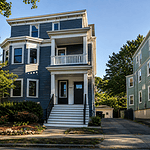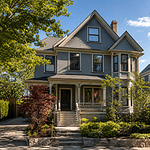
If you’ve inherited a probate triple decker in Boston, you’re facing a three-unit rental property that must pass through the Massachusetts Probate and Family Court before you or another heir can sell it, and you’ll need a court-approved License to Sell Real Estate before closing.
Key Takeaways
-
Probate for a Boston triple decker in Suffolk Probate and Family Court may take longer if heirs disagree or the estate is contested.
-
Filing fees for full probate in Massachusetts run about $390 ($375 plus a $15 surcharge); Voluntary Administration for small estates costs roughly $115.
-
Massachusetts law requires all heirs to agree before an inherited property sells; disagreement can lead to a court-ordered partition action.
-
An inherited triple decker gets a stepped-up cost basis to fair market value at the date of death, which affects capital gains exposure at sale.
-
Roughly 15,000 triple-deckers were built in Boston and surrounding cities between 1880 and 1930, concentrated in Dorchester, Roxbury, Jamaica Plain, and neighboring areas, according to Boston Preservation Alliance research.
-
Three-family dwellings make up a substantial share of Boston’s housing stock, particularly in Dorchester, Roxbury, and Jamaica Plain, making probate triple-decker sales a meaningful share of the city’s inherited property market.
If you’ve just inherited a triple decker in Dorchester, Roxbury, or Jamaica Plain, you’re dealing with two separate problems at once: a Massachusetts probate process that moves on its own legal timeline, and a multi-unit rental property that keeps generating rent, expenses, and tenant obligations while the court works through it. Neither waits for the other. Selling a probate triple decker in Boston means managing both tracks simultaneously, not sequentially.
At Juan Real Estate Group, we’ve walked heirs through exactly this situation across Boston’s five core neighborhoods, and the confusion is almost always the same: nobody explained how a three-unit property with three separate leases gets valued, sold, or divided among multiple heirs. This guide to probate triple decker Boston sales covers the probate timeline specific to multi-unit properties, what a personal representative actually has to do, how tenant leases survive the court process, and what it costs in fees and taxes before you see a dollar of proceeds.
As of 2026, Massachusetts probate law and Boston’s rental stock haven’t changed dramatically, but the market around them has. Boston home prices have climbed substantially over the past decade, which means the stakes on getting a probate triple decker Boston valuation right are higher than they were even five years ago.
What Is the Probate Process for Inheriting a Triple Decker in Boston?
Probate for a Boston triple decker is the court-supervised process of transferring a deceased owner’s property to heirs when the deed was held solely in the decedent’s name. Massachusetts law requires the estate to go through the Probate and Family Court before any sale can close, whether the property is a single-family home or a three-unit rental in Dorchester or Roxbury.
You start the process with a petition, either informal (Form MPC 150) or formal (Form MPC 160), filed with the appropriate county court. In Boston, that’s the Suffolk Probate and Family Court, located at 24 New Chardon Street inside the Edward W. Brooke Courthouse, open weekdays 8:30 AM to 4:30 PM. Once the court approves your petition, it issues Letters of Authority naming a personal representative, who then has legal standing to manage and eventually sell the property.
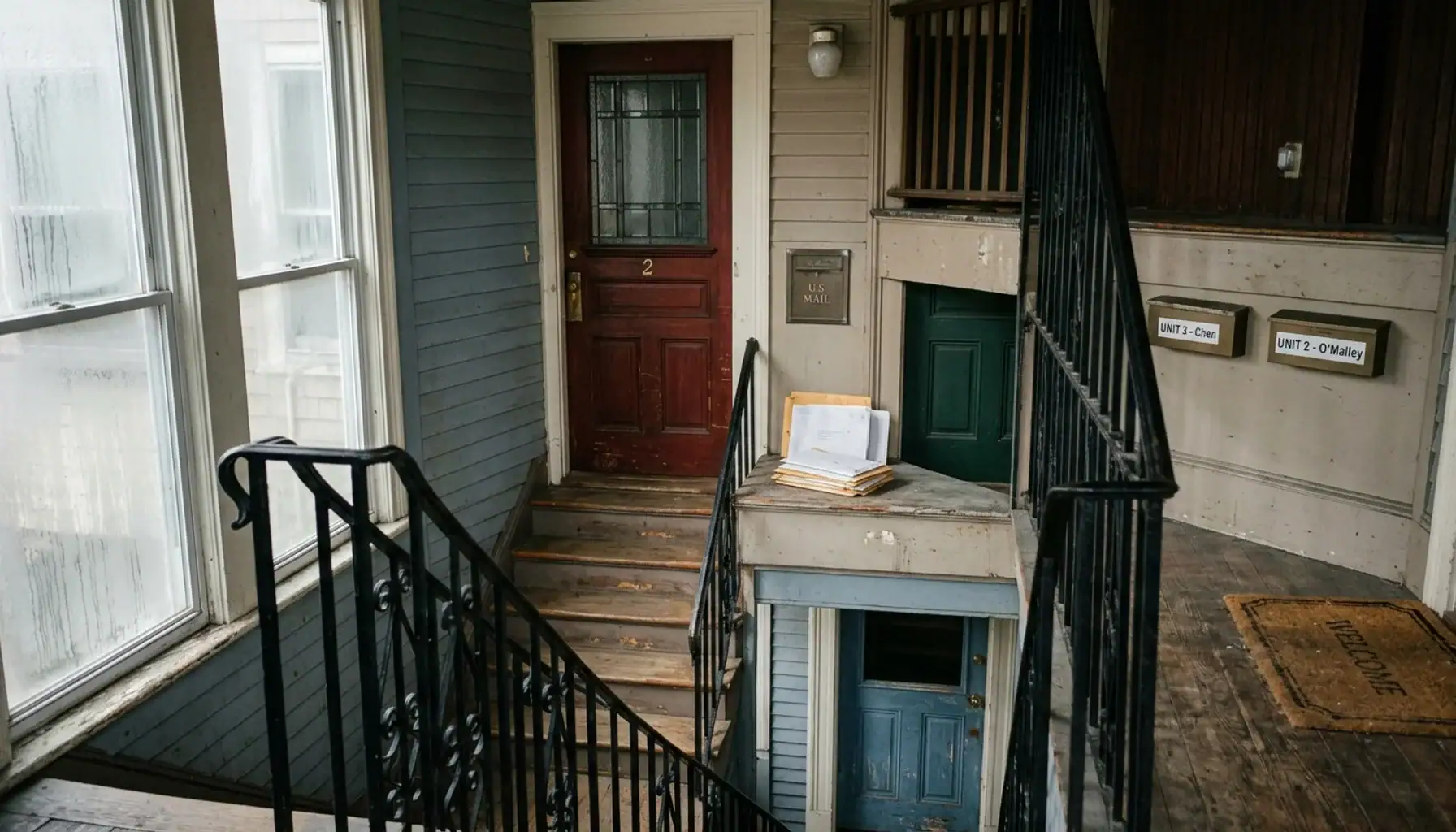
For a triple decker specifically, this step matters more than it does for a single-family home. Three active leases mean three tenant relationships the personal representative inherits along with the deed, and Massachusetts tenant protections don’t pause just because the landlord died.
Probate Timeline for a Multi-Unit Rental Property
Probate for a multi-unit rental property in Massachusetts varies based on estate complexity and heir agreement. Simple estates handled informally may close faster, while contested or complex estates with multiple heirs or out-of-state executors tend to take longer.
Several factors push a Dorchester or Roxbury triple decker toward an extended timeline. First, creditors have one year from the date of death to file claims against the estate, which some attorneys treat as a practical floor for closing distribution. Second, the personal representative must inventory and appraise all estate assets within three months of appointment, a step that’s more involved for a three-unit building with separate leases, security deposits, and possibly different rent rolls per floor than for a vacant single-family home.
Additionally, if the property needs a License to Sell Real Estate (common when the will doesn’t explicitly grant sale authority, or when heirs disagree), that adds a separate court filing and hearing to the process. Out-of-state heirs, a recurring pain point for Boston triple-decker estates given the number of families who’ve relocated, can also slow things down simply through mail and signature logistics.
What Are the Probate Costs and Fees for a Triple Decker Estate?
Probate costs for a Massachusetts triple decker estate start with a court filing fee of approximately $390 for full probate ($375 filing fee plus a $15 surcharge), or about $115 for Voluntary Administration on estates valued at $25,000 or less, excluding one vehicle. Beyond court fees, expect attorney fees, appraisal costs, and potential estate tax.
For a triple decker, appraisal costs run higher than a comparable single-family home because the appraiser has to value three separate units, factor in three sets of leases, and often produce both an as-occupied and an as-vacant valuation depending on how heirs plan to proceed. Attorney fees for probate administration vary by complexity, and a case involving multiple heirs, a partition dispute, or a contested will costs meaningfully more than a straightforward single-heir estate.
If your total estate value exceeds $2 million, Massachusetts estate tax may be owed before any distribution to heirs, an increasingly relevant threshold given that a three-unit Dorchester or Jamaica Plain property alone can now approach or exceed seven figures given how much Boston home prices have appreciated over the past decade.
How Do You Manage Rental Income From an Inherited Triple Decker?
Rental income from an inherited triple decker continues flowing to the estate during probate, and the personal representative is legally responsible for collecting rent, paying property expenses, and maintaining accurate records for the court’s final accounting. This income doesn’t automatically go to heirs until the estate closes.
In practice, this means you, as personal representative, have to open an estate bank account, redirect rent payments from all three units, and keep mortgage, insurance, water, and maintenance costs current on a property you may never have managed before. For a triple decker with tenants on staggered lease terms, this can mean handling lease renewals, security deposit transfers, and routine maintenance of boiler systems, roof conditions, electrical wiring, and other structural elements. At the same time, the court process runs in parallel.
Rental income during probate is taxable to the estate, not to individual heirs, until distribution. If the estate holds the property for an extended period, the accumulated rental income becomes a real accounting task, not a rounding error. This is one area where hiring a property manager mid-probate makes practical sense, particularly if you’re an out-of-state heir who can’t personally oversee three Boston tenants.
What Are Tenant Rights During Triple Decker Probate?
Tenant rights during triple decker probate in Massachusetts remain fully intact; a lease survives the death of the landlord, and tenants keep the same protections against improper eviction, security deposit mishandling, and habitability violations that applied before probate started. The personal representative steps into the landlord role.
This matters enormously for a Boston triple decker because most have three separate leases, often with different start dates, rent amounts, and terms. As a result, you can’t simply terminate leases to make the property easier to sell as personal representative. Any attempt to remove tenants to deliver a “vacant” property for sale has to follow standard Massachusetts eviction procedure, notice periods and all, which can add significant time to a timeline that’s already extended.
If you’re weighing whether to market the triple decker occupied or vacant, this is a genuine tradeoff. An occupied triple decker sells to investors who want existing cash flow and comps priced accordingly. At the same time, a vacant one appeals to owner-occupant buyers doing house hacking, but getting there legally during probate requires following proper notice procedures. If your triple decker situation involves active tenants, our guide on selling rental property with tenants in Boston, Massachusetts walks through notice requirements and buyer expectations in more depth.
How Is a Triple Decker Appraised for Probate Purposes?
Appraising a triple decker for probate purposes means establishing the property’s fair market value as of the date of death, which becomes the stepped-up cost basis for capital gains calculations later. Unlike a routine sale appraisal, a probate appraisal has to withstand potential scrutiny from the court, other heirs, and, above a certain estate size, tax authorities.
For a Boston three-family, the appraiser typically values each unit’s rental income separately, then applies an income approach alongside comparable sales of similar triple-deckers in the same neighborhood. A Dorchester triple-decker with three occupied units and consistent rent rolls appraises differently than one with a vacant top floor or deferred maintenance. Generic online valuation tools, including Zillow’s Zestimate, aren’t built to price multi-unit properties with mixed lease terms, and relying on one for a probate filing is a common and costly mistake.
This is where a comparative market analysis grounded in actual MLS sales, not an algorithm, becomes essential. Our breakdown of value-based, parity, and aspirational pricing strategy explains how these methodologies apply differently to multi-family properties than to single-family homes, which is exactly the nuance a probate appraisal needs to get right.
What Are an Executor’s Responsibilities for a Triple Decker Estate?
An executor, formally called a personal representative, once appointed by the Probate and Family Court, is responsible for inventorying estate assets, managing the triple decker’s rental income and expenses, obtaining a License to Sell Real Estate if required, and ultimately distributing proceeds to heirs according to the will or state intestacy law.
For a triple decker specifically, these duties expand well beyond a single-family estate. You must inventory and appraise the property within three months of appointment, maintain three separate tenant relationships in compliance with Massachusetts landlord-tenant law, keep insurance and mortgage payments current, and file a final accounting before the court will approve discharge and close the estate.
In our experience working with Boston heirs, the personal representative role catches people off guard most when they realize they’re now personally accountable for landlord obligations, code compliance, and even things like smoke detector certifications, on a building they may have never set foot in as an adult. If your estate involves multiple properties or complex tenant situations, coordinating with a broker who understands multi-family valuation early, rather than after the appraisal is already filed, saves real time.
Can You Sell a Triple Decker While It’s in Probate?
Yes, you can sell a triple decker during probate, but only after the personal representative obtains court authority to sell, typically through a License to Sell Real Estate, and only with the agreement of all heirs. Once that authority is confirmed, the sale process follows standard Massachusetts steps: Offer to Purchase, Purchase and Sale Agreement, and closing with a real estate attorney.
Where this gets complicated for a Dorchester or Roxbury three-family is heir consensus. Massachusetts law requires unanimous agreement among heirs before a probated property sells. If three siblings inherit a triple decker and one wants to sell while two want to hold it as rental income, the sale is effectively stalled until they reach agreement.
When heirs can’t agree, any single heir has the right to petition the Probate and Family Court for a partition action, which can force a court-ordered sale and division of proceeds regardless of what the other heirs want. Partition actions add high legal cost to a probate timeline, and they’re far more common with multi-unit properties than single-family homes precisely because the ongoing rental income gives some heirs a reason to hold rather than sell. If you’re facing this exact standoff, our page on selling an inherited home in Massachusetts covers the mechanics of getting heirs aligned before a partition becomes necessary.
What Tax Implications Exist for Inheriting a Rental Triple Decker?
Inheriting a rental triple decker in Massachusetts resets the property’s cost basis to its fair market value on the date of death, known as a stepped-up basis, which typically reduces your capital gains tax exposure compared to the original purchase price decades earlier. This is one of the most financially significant, and most misunderstood, parts of probate.
Long-term capital gains on the eventual sale of an inherited Massachusetts home are taxed at 5 percent, with an additional 4 percent surtax on income above the state’s millionaire threshold. For a triple decker that’s appreciated substantially, which describes many Boston triple-deckers held for a decade or more, the stepped-up basis can mean the difference between owing tax on decades of appreciation versus owing tax only on gains since the date of death.
If your total estate value exceeds $2 million, Massachusetts estate tax also enters the picture before heirs receive distribution. Given that a well-located Dorchester or Jamaica Plain triple decker can now carry meaningful value on its own, especially combined with other estate assets, this threshold is worth flagging early with an estate attorney rather than discovering it at closing. For sellers weighing the tax picture more broadly, our guide to capital gains and tax planning around a Massachusetts home sale lays out additional considerations that apply beyond just inherited property.
How Does Title Transfer Work for a Probated Triple Decker?
Title transfer for a probated triple decker happens through a deed recorded with the Suffolk County Registry of Deeds after the Probate and Family Court issues Letters of Authority and, if needed, approves the License to Sell Real Estate. Until that recording is complete, the property technically remains titled to the deceased owner’s estate, not to any individual heir or buyer.
This creates a title clarity issue unique to multi-unit properties with multiple heirs. If three siblings inherit equal shares of a triple decker and later decide to sell to different buyers, or if one heir wants to buy out the others’ shares, the title work has to reflect every ownership interest accurately before a sale can close cleanly. Title insurance companies scrutinize probate-derived deeds closely, and any gap an unrecorded prior transfer, an unresolved lien, or an heir who was never formally accounted for can delay or derail a closing.
Working with a real estate attorney experienced in Massachusetts probate, alongside a broker who understands multi-family transactions, catches these issues before they become closing-day surprises. This is exactly the kind of detail that generic, citywide real estate advice tends to skip, and it’s a common reason probate triple-decker sales in Boston take longer than a standard resale.
How Do Multiple Heirs Complicate Triple Decker Inheritance?
Multiple heirs complicate triple decker inheritance in Massachusetts because state law requires unanimous consent before an inherited property can be sold, and disagreement among co-heirs is one of the leading causes of extended probate processes on multi-unit Boston properties. A three-unit building generates enough passive income that some heirs prefer holding it over selling.
Consider a common scenario across Dorchester and Roxbury: three siblings inherit their parents’ triple decker. One lives out of state and wants a clean cash distribution. One lives locally and wants to keep the property as rental income. One is undecided and wants more time. Each has a legally valid position, and the property sits in probate limbo until they agree, or until one files for partition.
Practically, resolving this faster usually means getting an independent, MLS-backed valuation of the property early so all heirs are negotiating from the same numbers rather than differing assumptions about what the building is worth. A confidential consultation focused on estate sale and probate property representation can walk multiple heirs through realistic sale processes, rental income projections if they hold, and buyout math if one heir wants to keep the property and pay out the others. That kind of neutral, numbers-first conversation resolves more heir disputes than another round of family debate ever does.
Understanding Triple-Decker Architecture and Why It Matters for Probate Value
A triple decker is a three-story, wood-framed residential building with one self-contained apartment per floor, a housing form built almost exclusively in New England between roughly 1880 and 1930 to house immigrant and working-class families near Boston’s streetcar and rail lines. Approximately 15,000 were constructed in Boston and surrounding cities during that period, according to research associated with the Boston Preservation Alliance.
This architecture matters for probate valuation because triple-deckers vary widely in condition depending on renovation history. Original wood-frame construction from this era commonly included knob-and-tube wiring, since-updated plumbing, and a shared foundation across three units, all of which affect appraised value and buyer financing eligibility differently than a modern multi-family. A triple decker with updated electrical and a newer roof commands a meaningfully different price than an unrenovated original, even on the same Dorchester street.
Today, triple-deckers remain concentrated in Dorchester, Roxbury, Jamaica Plain, Mission Hill, Allston, Brighton, South Boston, and East Boston, giving these neighborhoods some of the highest concentrations of three-family housing stock in the city. For probate estates specifically, this concentration means comparable sales data is usually available, but only if you’re looking at true triple-decker comps rather than generic multi-family or single-family sales, a distinction that matters for an accurate valuation.
What Is a Boston Triple Decker, Exactly?
A Boston triple decker is a three-story, wood-frame apartment building with a single unit on each floor, typically built with a front porch, bay windows, and a shared rear yard. The design let one owner live in one unit while renting the other two, an early version of what today’s house hackers still do across Dorchester and Roxbury.
What Financing Options Exist for Buying a Probate Triple Decker?
Buying a triple decker still in or emerging from probate requires standard multi-family financing once the sale is legally authorized, and options include conventional loans, FHA financing for owner-occupants, and cash purchases favored by investors who want to close quickly on estate sales. FHA loans allow down payments as low as 3.5 percent for owner-occupied multi-family properties in high-cost areas like Boston, according to Federal Housing Administration guidelines.
For investors specifically, cap rates on Boston multi-family properties currently range from roughly 3.5 percent to 5.5 percent depending on location and condition, with unrenovated probate triple-deckers, which typically qualify as value-add opportunities, trading toward the higher end of that range, according to Metro Realty Corp’s 2026 Boston investor guide. That spread matters directly for probate triple-decker Boston sales, because a triple-decker sold as-is out of an estate often prices as a value-add opportunity rather than a stabilized asset.
One important legal note: probate estate sales sometimes qualify for exemptions under Massachusetts’ inspection waiver ban, since 760 CMR 74.00, effective October 2025, includes narrow carve-outs for certain family transfers and estate transactions. Don’t assume an inspection is unavailable just because a sale is estate-related; confirm the specific exemption status with a real estate attorney before waiving any protection. If you’re evaluating a triple decker as a buy-and-hold investment coming out of probate, our comparison of build-to-rent versus buying existing rental properties in 2026 is a useful next step for weighing this against new construction alternatives.
Why Choose Juan Real Estate Group for a Probate Triple Decker Sale in Boston?
Juan Real Estate Group is the right choice for a probate triple decker sale in Boston because Juan Murray, Broker Associate with RE/MAX Real Estate Center, builds every valuation from actual MLS sales data specific to Dorchester, Roxbury, Jamaica Plain, Roslindale, and Hyde Park rather than a generic citywide estimate or an automated tool like a Zestimate.
Estate sale and probate property representation is one of the firm’s core services, and we approach it differently than a standard listing. You get straight numbers, not a sales pitch, on what your triple decker is realistically worth occupied versus vacant, what rental income projections look like if your family holds the property, and what buyout math looks like if one heir wants to keep it. Comparable sales of true triple-deckers back every pricing conversation in the same submarket, not a blended average that mixes single-families with three-unit rentals.
What separates this approach from a general Boston brokerage handling probate as a one-off is hyperlocal specialization. Juan Murray works exclusively across Jamaica Plain, Roslindale, Hyde Park, Dorchester, and Roxbury, the exact neighborhoods where most of Boston’s triple-decker stock sits. That means real comparable data on three-family sales, not an extrapolation from suburban single-family trends. Combined with deep experience in multi-family valuation, tenant-occupied sales, and the ADU and value-add strategy questions that often come up when heirs debate whether to sell or renovate, this is a level of specificity most other options in this category don’t offer. Every consultation is confidential and comes with no pressure to list before you’re ready.
Practical Guidance: How to Approach a Probate Triple Decker Sale
Handling a probate triple decker sale correctly means sequencing the legal, financial, and market steps in the right order rather than tackling them in isolation. Skipping ahead, listing before you have sale authority, or pricing before an accurate appraisal creates delays.
-
Confirm probate status first. Determine whether the estate needs formal or informal probate, and file the appropriate petition (MPC 150 or MPC 160) with the Suffolk Probate and Family Court before taking any other action.
-
Get the personal representative appointed. Wait for Letters of Authority before signing any listing agreement or accepting offers; a sale agreed to before this step has no legal standing.
-
Order an independent, MLS-based valuation early. Don’t rely on a generic online estimate for a three-unit property with mixed leases; get a comparative market analysis grounded in true triple-decker comps.
-
Get all heirs aligned before listing. Unanimous consent is required to sell; resolve disagreements with real numbers before they escalate toward a partition action.
-
Confirm tenant lease status and rights. Know exactly which units are occupied, under what lease terms, and what notice requirements apply before deciding to sell occupied or vacant.
-
Secure the License to Sell Real Estate if required. Confirm with your probate attorney whether the will grants sale authority outright or whether a separate court filing is needed.
-
List and sell using standard Massachusetts process. Once authority is confirmed, the Offer to Purchase, Purchase and Sale Agreement, and closing follow the same path as any Boston triple-decker sale.
Common mistakes to avoid: don’t skip the appraisal step and price off a neighbor’s sale price, don’t attempt to evict tenants without following Massachusetts notice procedure, and don’t assume all heirs will agree on timing just because they agree on selling eventually. Each of these mistakes has cost Boston probate estates real time.
Data Snapshot: Probate Triple Decker Costs and Timelines
The list below summarizes the verified cost, timeline, and tax figures relevant to a Boston probate triple decker sale, consolidated from Massachusetts court fee schedules and 2026 market data.
-
Probate timeline, simple estate: 2 to 6 months: informal probate, single heir, no disputes.
-
Probate timeline, average estate: 6 to 12 months. Typical for a triple decker with tenants and multiple heirs.
-
Probate timeline, contested or complex: 12 months to 2 or more years. Partition actions, disputed wills, out-of-state heirs.
-
Full probate filing fee: approx. $390 ($375 filing fee plus $15 surcharge).
-
Voluntary Administration fee: approx. $115. Estates valued at $25,000 or less, excluding one vehicle.
-
Creditor claim window: 1 year from date of death, a practical floor on estate closing.
-
Capital gains tax rate (long-term): 5 percent, plus a 4 percent surtax above the millionaire threshold, applied to gains since the stepped-up basis, not the original purchase price.
-
Estate tax threshold: $2 million. Estate tax may apply above this total value.
-
Boston multi-family cap rates: roughly 3.5 percent to 5.5 percent, with unrenovated value-add properties trading toward the higher end, per Metro Realty Corp’s 2026 Boston investor guide.
Frequently Asked Questions
Does a triple decker have to go through probate if only one owner is listed on the deed?
Yes. If the deceased owner held the triple decker solely in their own name, Massachusetts law requires the estate to go through probate before it can be sold, regardless of how many heirs are named in the will. Joint ownership with rights of survivorship can sometimes avoid this step, but a sole-name deed cannot.
What is the typical probate timeline for a Boston triple decker?
Probate for a Boston triple decker varies depending on whether the estate is simple and uncontested, or involves multiple heirs and disputes. Complex estates can extend considerably longer than straightforward cases.
Can heirs sell a triple decker if one sibling refuses to agree?
Not without further legal action. Massachusetts requires unanimous heir consent to sell inherited property, so if one heir refuses, the sale is stalled until agreement is reached or another heir petitions the Probate and Family Court for a partition action, which can force a court-ordered sale.
Do tenants have to move out before a triple decker can be sold through probate?
No. Existing leases survive the landlord’s death and probate process, and tenants keep their full legal protections. A personal representative cannot remove tenants without following standard Massachusetts eviction notice procedures, and many probate triple-deckers sell to investors while fully occupied.
What is the stepped-up basis and how does it affect taxes on an inherited triple decker?
The stepped-up basis resets the property’s cost basis to its fair market value on the date of death rather than the original purchase price. This typically reduces capital gains tax owed at sale, since the taxable gain is calculated only on appreciation that occurred after the date of death, not decades of prior appreciation.
Is a Zillow estimate accurate for pricing a probate triple decker?
No. Automated valuation tools aren’t built to account for three separate leases, mixed unit conditions, or the income-approach adjustments that a true triple-decker appraisal requires. A comparative market analysis grounded in actual MLS sales of comparable three-family properties produces a far more defensible number for probate purposes.
What happens to rental income collected during the probate process?
Rental income collected while a triple decker is in probate belongs to the estate, not to individual heirs, and is taxable to the estate until the court approves final distribution. The personal representative is responsible for depositing rent into an estate account and covering property expenses from those funds.
Do I need a real estate attorney and a broker for a probate triple decker sale?
Yes, both roles matter and neither substitutes for the other. A probate attorney handles the court filings, License to Sell, and title clarity issues, while a broker experienced in multi-family valuation prices the property accurately and manages the sale process once legal authority is confirmed.
Conclusion: What to Do Next With a Probate Triple Decker
A probate triple decker in Boston is a manageable process, but it moves on its own legal timeline and requires getting the appraisal, heir consent, and tenant compliance right before a sale can close. The stakes are higher now than a decade ago simply because triple-decker values have climbed alongside Boston’s broader home price appreciation.
The path forward is straightforward once you know the sequence: confirm probate status, get the personal representative appointed, order an accurate MLS-based valuation, align all heirs, confirm tenant lease terms, and then proceed through a standard Massachusetts sale process. Skipping any of these steps is what turns a probate triple decker sale in Boston into a significantly longer one.
If you’re an heir facing this exact situation on a Dorchester, Roxbury, or Jamaica Plain triple decker, get started with Juan Real Estate Group for a confidential consultation on estate sale and probate property representation. There’s no pressure, just straight answers based on actual MLS data for your specific property and neighborhood.
Every probate triple decker looks different once you see the actual comps and the actual leases, not just the deed. Schedule a confidential consultation to walk through your property’s specific valuation, heir situation, and timeline before you decide whether to sell, hold, or buy out a co-heir.
Written by Juan Murray, Broker Associate, RE/MAX Real Estate Center, 30+ years of Boston real estate experience at Juan Real Estate Group